Is Mykonos Safe?
Yes, Mykonos is a very safe destination for tourists and one of the safest islands in the Mediterranean for independent travel.
Pair the island drive with a guided walk through Mykonos Town. Discover Mykonos highlights tour ↗
Yes. Mykonos is a safe destination by any reasonable standard. The U.S. State Department rates Greece at Level 1 (Exercise Normal Precautions), the lowest risk category. Violent crime is rare. The risks that actually affect tourists are practical rather than serious: petty theft in crowded areas, unlicensed pirate taxis with links to organized burglary networks, ATV and scooter accidents (the most consistent cause of tourist injury on the island), restaurant pricing scams at a small number of well-documented venues, and alcohol-related incidents in the nightlife zone. All of these are avoidable with basic awareness.
| U.S. State Dept. rating | Level 1: Exercise Normal Precautions (updated October 2025) |
| Violent crime | Rare. Physical attacks and hate crimes are extremely uncommon |
| Petty theft | Present in crowded tourist areas, beach clubs, nightlife zones |
| Main tourist risk | ATV and scooter accidents (most consistent cause of tourist injury) |
| Pirate taxis | Active at port, airport, and outside clubs. Serious concern beyond overcharging |
| LGBTQ+ safety | Excellent. One of the most welcoming LGBTQ+ destinations in Europe |
| Solo female safety | Good. Standard nightlife precautions apply; harassment rate low |
| Emergency number | 112 (pan-European, covers police, ambulance, fire) |
| Tourist police | +30 22890 22482 |
| Mykonos Health Centre | +30 22890 23994 |
| U.S. Embassy Athens | +30 210 721 2951 |
| UK Embassy Athens | +30 210 727 2600 |
Booking choice: 3½ hours • English guide • Meet at New Port; hotel pickup excluded. Uneven walking and moderate fitness required. Check dates for Mykonos highlights tour ↗
Is Mykonos Safe for Tourists?
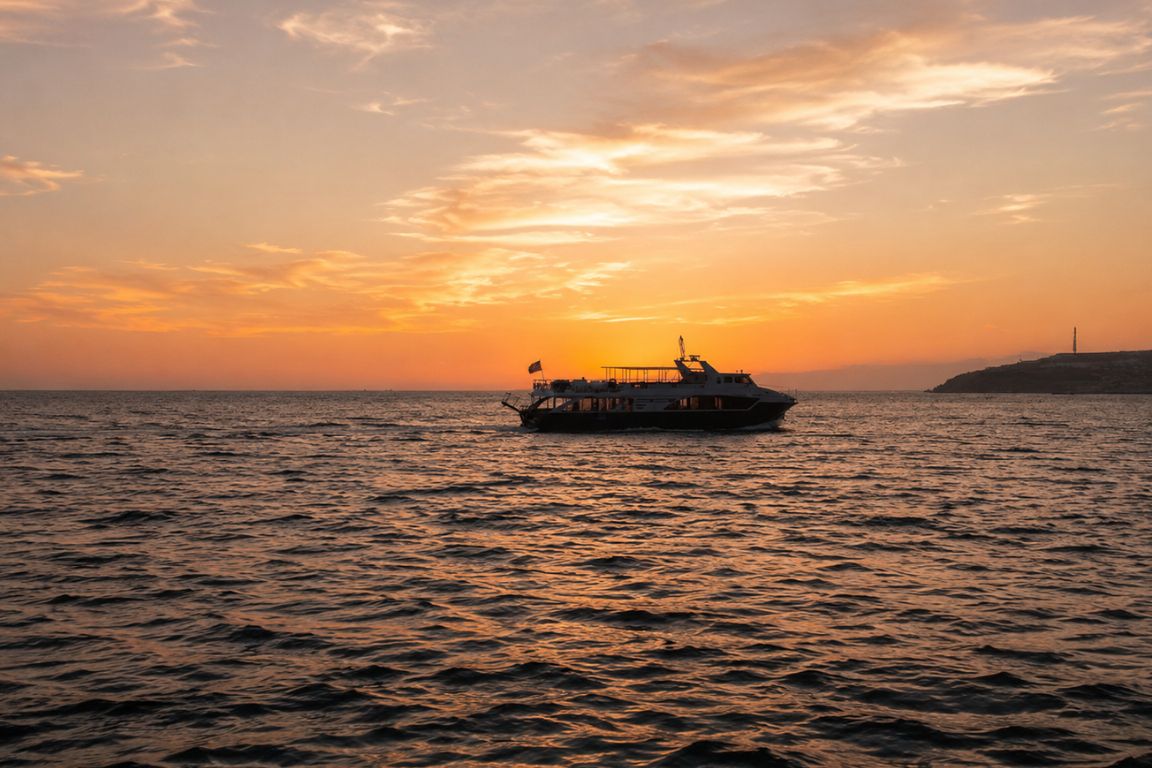 Yes. Mykonos is a safe destination for tourists. Greece holds a U.S. State Department Level 1 rating (Exercise Normal Precautions), the lowest risk category, updated as recently as October 2025. Violent crime on the island is rare. The vast majority of the more than one million tourists who visit Mykonos each year have no safety incidents of any kind. The risks that do exist are concentrated in specific, well-understood categories: petty theft in crowded areas, road accidents involving rental vehicles, pirate taxis, and alcohol-related incidents in the nightlife zone.
Mykonos is sometimes described as having a higher crime rate than the rest of the Greek islands, which is technically accurate and meaningfully misleading. The higher rate reflects the density of tourists and the nightlife concentration, not a genuinely elevated danger level. By comparison with any major European party destination, Mykonos sits well within the range of safe. The crimes that occur are almost entirely property crimes: pickpocketing, bag theft, and the occasional opportunistic theft from unattended beach belongings. Physical assault on tourists is not a pattern.
The island’s permanent population of around 10,000 people swells to hundreds of thousands during peak summer. The tourist police are present and active. The infrastructure of a heavily visited island, well-lit streets, functioning emergency services, a centrally located health centre, and a strong economic incentive to keep visitors safe, all contribute to an environment that is considerably more managed than the uninitiated might expect from a famous party destination.
From our experience working with over 13,500 travelers since 2012, the incidents we encounter are overwhelmingly in the preventable categories: a bag left unattended on a beach, a pirate taxi taken from the port, an ATV rented by someone who had no prior two-wheeled experience. The island itself is not the problem. Specific choices within it occasionally are.
Want an honest answer on whether Mykonos is worth visiting for someone who isn’t chasing beach clubs and celebrity sightings? Here’s our is Mykonos worth visiting guide so you make the call with realistic expectations.
What Are the Main Safety Risks in Mykonos?
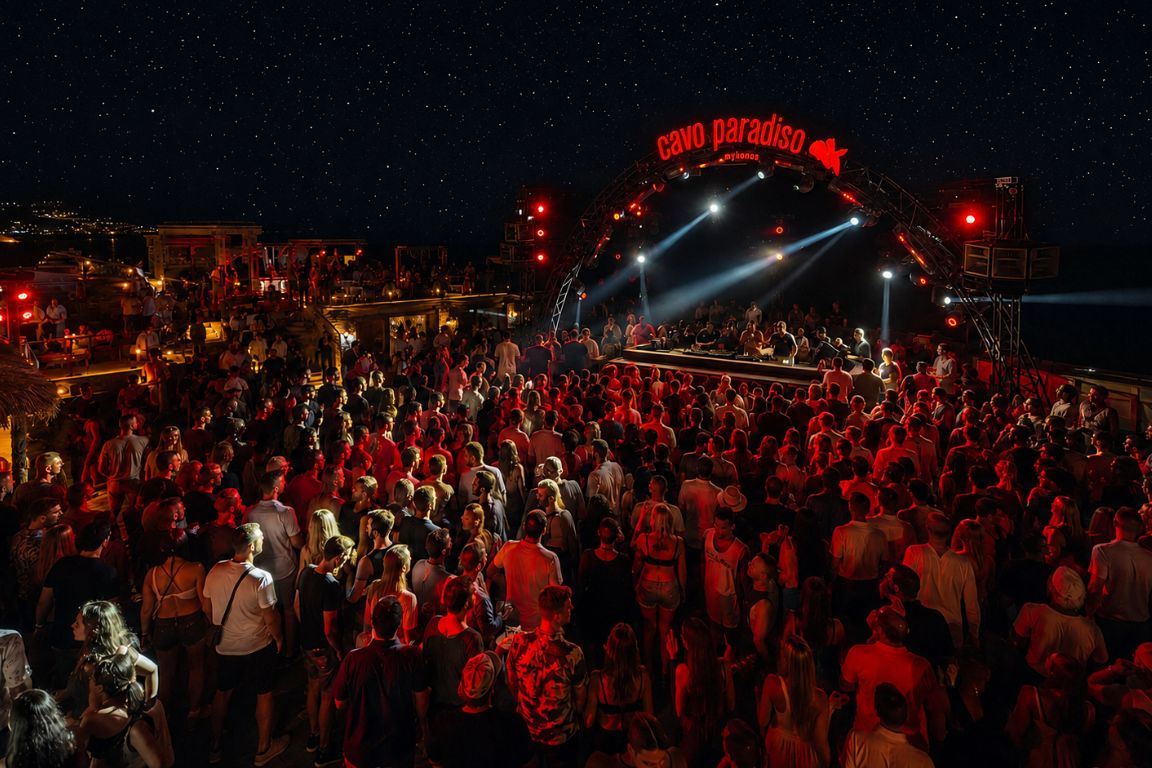 In order of how often they affect tourists: ATV and scooter accidents, petty theft in crowded areas, pirate taxis, restaurant pricing scams at a small number of known venues, and alcohol-related incidents in the nightlife zone. None of these are unique to Mykonos. All of them are more likely on a tourist-heavy island than in an average Greek city. All of them are preventable.
ATV and scooter accidents. This is the safety issue that most safety guides understate and that our experience confirms as the most significant practical risk on the island. In 2024 alone, ATVs across Greek islands were linked to five fatalities and over 660 injuries nationally. Mykonos roads are narrow, winding, and shared by cars, scooters, ATVs, pedestrians, and the occasional mule on lanes not designed for the traffic they now carry in peak season. The high centre of gravity of ATVs makes them prone to rollovers on sharp turns. A small pothole or sudden braking is enough to flip one. In August 2025, a high-profile ATV accident on the Ano Mera municipal road resulted in a seriously injured foreigner with multiple fractures who was eventually airlifted to Athens. This was not an isolated case. It was the most visible in a series of serious road incidents that month.
The guidance is simple and firm: if you are not an experienced rider on two-wheeled or four-wheeled open vehicles, and if you have not navigated European rural roads before, rent a car. Full stop. The appeal of the ATV or scooter is understandable. The roads of Mykonos are genuinely not appropriate for inexperienced riders, and the consequences of getting it wrong are severe.
Petty theft. Mykonos’s crowded tourist areas, the alleys of Chora, the beach clubs, the port and airport on arrival, and the nightlife zone are all environments where pickpockets and opportunistic thieves operate. The pattern is consistent: crowded space, tourist distracted by surroundings or alcohol, bag left open or in a back pocket, item removed. The fix is straightforward: a zipped crossbody bag rather than a shoulder bag or back pocket, nothing left unattended on the beach while swimming, no phone or wallet in back pockets in crowded areas. None of this is exceptional vigilance. It is the same awareness you would apply in any major European tourist destination.
Pirate taxis. Unlicensed drivers approach tourists at the airport, the new port, and outside clubs offering rides. The overcharging is the most visible issue but not the most serious one. Some pirate taxi drivers in Mykonos are connected to organized burglary networks. By picking you up from your villa, they learn exactly when the property will be empty, how many people are staying, and what valuables might be visible. This information reportedly passes to theft networks. Book all transfers through your accommodation, a licensed taxi stand in Chora, or a pre-arranged reputable operator. A licensed taxi in Mykonos has a TAXI sign on the roof and a taximeter. If neither is present, do not get in.
Restaurant pricing scams. A small number of venues in Mykonos, most notoriously DK Oyster near Ornos Beach, operate a model of presenting menus without prices or with prices in very small print, then presenting bills that bear no relationship to what a customer would consider reasonable. Reports of bills in the hundreds of euros for two drinks and a small plate are documented and numerous on TripAdvisor. When questioned, staff at these venues have reportedly used intimidation tactics including threatening to call the police. The fix: always ask for a menu with prices before ordering, confirm any dish or drink price verbally if it is not displayed, and check TripAdvisor reviews for any restaurant you are unsure about before sitting down. DK Oyster and venues like it are listed and reviewed by name across multiple review platforms. The information is easily accessible before you arrive.
Alcohol-related incidents. This is the risk category most associated with party islands and the one most influenced by traveler behavior. The nightlife in Mykonos runs long, drinks are strong and expensive, and the combination of heat, sea air, and a day at a beach club before a night at Cavo Paradiso can produce a level of intoxication that impairs judgment in ways that lead to the other risks on this list: getting into a pirate taxi, leaving a bag unattended, renting an ATV at 4am. Pace yourself. Drink water consistently throughout the day and night. Eat a proper meal before going out. These are not novel recommendations. They are the ones that prevent the majority of incidents.
We’ve put together a full comparison in our Mykonos day party vs night party guide so you know exactly which experience fits your energy levels, budget, and what you actually came to Mykonos to do.
Is Mykonos Safe for Solo Travelers?
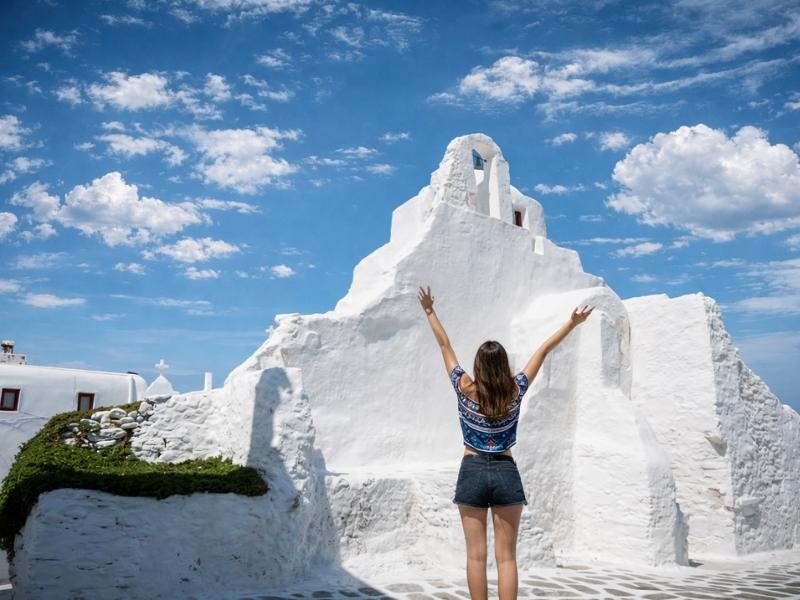
Yes. Mykonos is one of the better solo travel destinations in the Mediterranean for exactly the reasons that make it famous: it is social, it is easy to meet people, and its infrastructure is built around groups and individuals mixing in the same spaces. Solo travelers consistently report feeling comfortable on the island. The standard nightlife precautions apply: stay aware of your surroundings when walking home late, keep your drink in sight, and have your transport arranged before you need it.
The beach clubs and bars of Mykonos are almost uniquely good environments for solo travelers. The social infrastructure of a venue like Tropicana or Jackie O’ at Super Paradise, where the crowd is genuinely mixed and the atmosphere oriented around meeting people, makes solitude a choice rather than a condition. Solo travelers at these venues are neither unusual nor uncomfortable. The island draws a cosmopolitan crowd that is accustomed to the presence of solo travelers and not particularly interested in making them feel conspicuous.
For solo travelers in the nightlife zone, the practical precautions are identical to those at any Mediterranean party destination. Do not accept drinks from strangers you have not watched being poured. Walk home with other people from the club where possible or arrange transport in advance. Keep your phone charged and your hotel contact saved. Tell someone where you are going. These are common-sense precautions for a late-night environment anywhere, not signals that Mykonos is especially hazardous.
The pirate taxi risk is particularly relevant for solo travelers arriving alone at the airport or port, where unlicensed drivers most actively target people who look uncertain or who have not pre-arranged transport. Book your arrival transfer before you land or arrive. Your accommodation can arrange a licensed pickup. This is the single most effective solo travel safety step specific to Mykonos.
Is Mykonos Safe for LGBTQ+ Travelers?
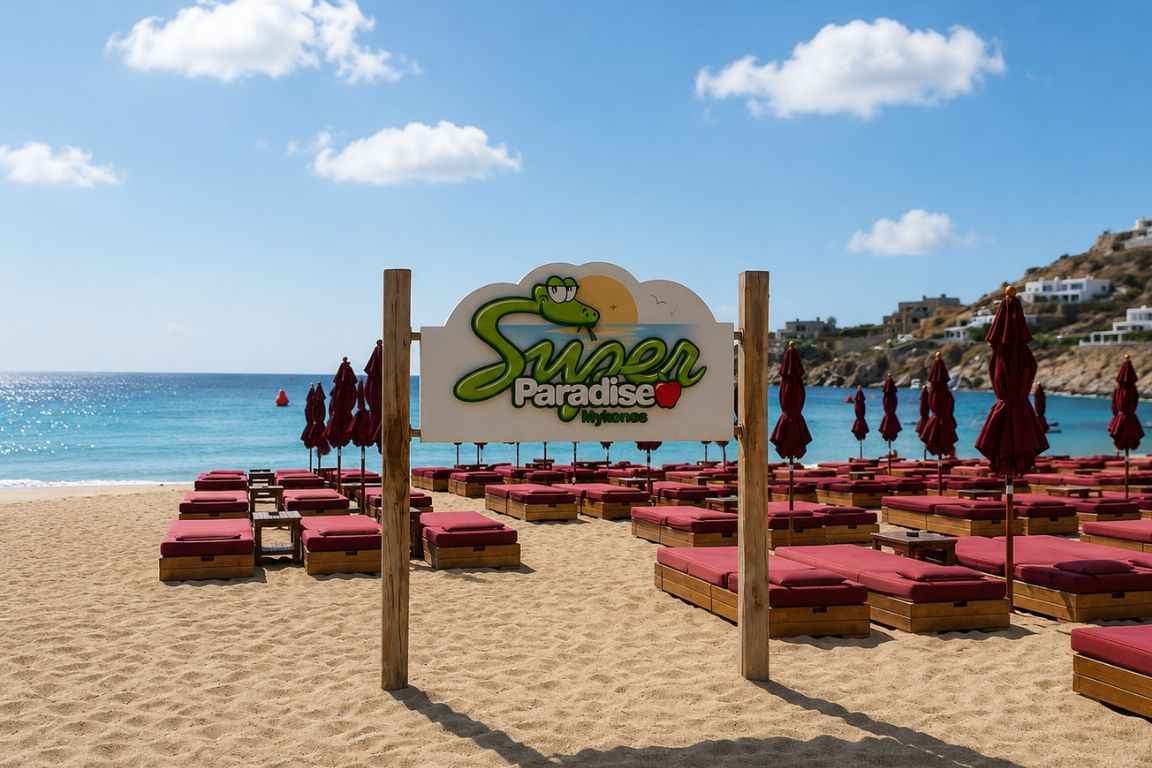 Yes, and more than safe: Mykonos is one of the most welcoming LGBTQ+ destinations in Europe and has been for decades. The island’s openly gay scene is among the most established in the Mediterranean. Super Paradise Beach has been a de facto LGBTQ+ social hub since at least the 1980s. The XLSIOR Festival in late August draws tens of thousands of LGBTQ+ visitors from across the world. Same-sex couples are visible throughout the island in every context and encounter no noteworthy friction.
Greece as a country has a complicated legal history with LGBTQ+ rights, and attitudes vary significantly between Athens and the more conservative interior. Mykonos is an exception. The island’s cosmopolitan, internationally oriented population and its decades-long identity as a premier LGBTQ+ destination have created an atmosphere of genuine acceptance that extends beyond the dedicated gay venues into the general social environment. A same-sex couple holding hands in Chora, at a beach club, or in a restaurant encounters the same indifference they would in Amsterdam or Barcelona.
The dedicated LGBTQ+ infrastructure is extensive. Jackie O’ at Super Paradise is the island’s most celebrated LGBTQ+ venue, with nightly drag shows and a welcoming mixed crowd. Elia Beach has historically been popular with gay visitors. The Mykonos Pride event, typically in late June or early July, adds a specifically celebratory dimension to an already open atmosphere. XLSIOR in late August is one of Europe’s largest gay events. Hotels and accommodation across the island are entirely accustomed to same-sex couple bookings and treat them without distinction.
Wondering whether Paradise Beach or Super Paradise lives up to the hype and whether the minimum spend policies are worth it compared to quieter alternatives that still deliver a great day? This best beach clubs in Mykonos tours guide covers the honest comparison most Greece party guides avoid making.
Is Mykonos Safe for Women Traveling Alone?
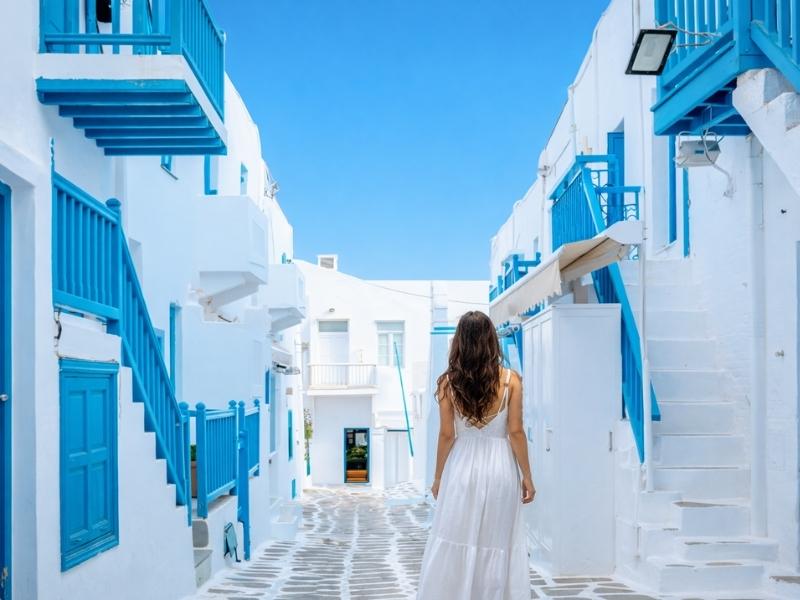
Yes. Solo female travelers consistently report positive experiences in Mykonos. The island’s cosmopolitan, heavily international environment means that a woman traveling alone is neither unusual nor the subject of unwanted attention at a level above what you would encounter in a major European city. The practical precautions that apply at any lively Mediterranean nightlife destination apply here: stay aware of your surroundings late at night, do not leave drinks unattended, arrange transport home before you need it.
The social environment at Mykonos beach clubs and bars is not specifically hostile or uncomfortable for solo women. The venues are crowded, well-staffed, and oriented around a broadly international crowd that arrives with the expectation of having a good time rather than causing problems. Street harassment is not a noted pattern in Mykonos in the way it is in some southern European cities. The island’s tone is sophisticated and cosmopolitan rather than rowdy and threatening.
The specific precautions worth naming for solo female travelers in Mykonos: the late-night transport home is the most important logistical decision. Taxis in Mykonos are scarce at 4am when the clubs close. A solo woman waiting for a taxi at that hour has options: the venue shuttle (Cavo Paradiso runs one), a pre-arranged pickup from your accommodation, or walking if you are staying centrally in Chora. The pirate taxi risk is real regardless of gender, but the targeting of a solo woman late at night by an unlicensed driver is an additional reason to arrange licensed transport in advance. Book it before you go out, not when you are trying to get home.
What Should You Watch Out for in Mykonos?
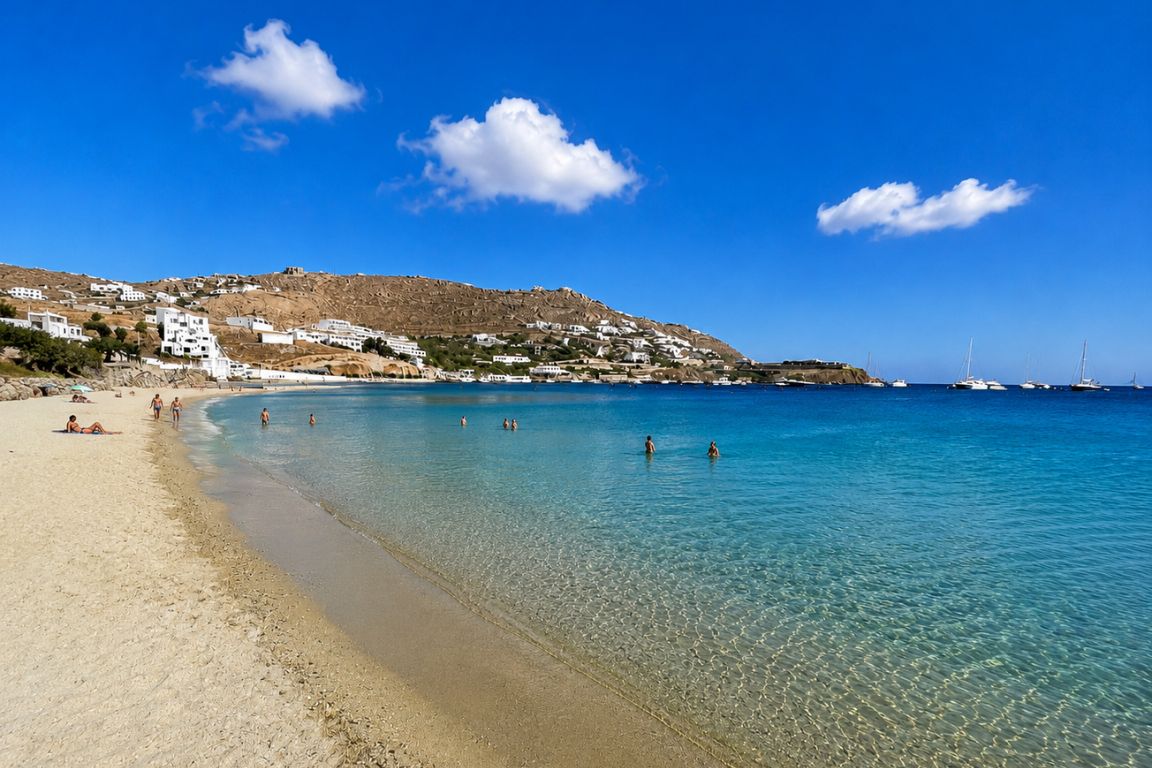 Seven specific things to watch for, in order of practical importance: ATV and scooter rental if you are not experienced, pirate taxis at the airport and port, restaurants without displayed prices (particularly near Ornos), unattended bags at beaches, open bags and back pockets in the crowds of Chora and beach clubs, drink spiking at late-night venues, and ATM skimming devices at machines in tourist areas.
ATV and scooter rental: Already addressed above, but worth repeating because it is the category of risk most often underestimated. If you are not an experienced rider, rent a car. The island has enough narrow roads and sharp turns to create genuine danger for inexperienced riders, and the combination of alcohol and night driving multiplies the risk significantly. Never ride an ATV after drinking.
Pirate taxis: Identifiable by the absence of a TAXI rooftop sign and a taximeter inside the vehicle. They approach at the airport exit, outside the new port ferry terminal, and outside clubs after midnight. Decline politely, and if a driver is persistent, move toward the licensed taxi rank. Licensed taxis in Chora gather at Taxi Square (Manto Mavrogenous Square). Your accommodation can pre-book a licensed transfer for airport and port arrivals.
Restaurant pricing: Before sitting down at any unfamiliar restaurant, particularly in the tourist strip areas near Ornos, Platis Gialos, and the port area, ask to see a menu with prices clearly listed. If prices are absent or the server is evasive about them, leave. Check TripAdvisor for any restaurant you are unsure about. The venues that run pricing scams are well documented by name and are easy to identify with ten seconds of research.
Beach bag security: The beach clubs have staff who circulate, which provides some natural deterrence. The open beaches without service staff provide none. Do not leave your bag, phone, wallet, or passport unattended while swimming. Leave valuables at your accommodation. If you need to carry them to the beach, use a small zippered bag and keep it with a person in your group who is not in the water.
ATM skimming: Not unique to Mykonos but worth flagging. Check for anything unusual attached to the card reader slot or the keypad before using an ATM, particularly in busy tourist areas. Cover the keypad when entering your PIN. Prefer ATMs attached to bank branches over standalone machines.
Drink awareness: In crowded late-night venues, do not leave a drink unattended. This is basic nightlife awareness that applies anywhere in Europe. If you feel suddenly more intoxicated than your consumption warrants, tell a friend or venue staff immediately and seek medical attention if needed.
Sun and heat: Not a crime, but a genuine health risk that catches first-time visitors off guard. The Aegean sun in July and August is more intense than most northern European or North American visitors are accustomed to. Dehydration accelerates the effects of alcohol. Heatstroke is possible on hot days at beach clubs where shade is limited. Drink water consistently throughout beach days, not just when you feel thirsty.
Planning a Mykonos trip involves more moving parts than most Greek island holidays – our how to plan a trip to Mykonos tours guide breaks down the booking timeline, transport options, and what to sort out before it’s too late.
| ATV or scooter accident | Most common serious incident | Almost always | Rent a car if inexperienced; never ride after drinking |
| Bag or phone theft at beach | Occasional | Yes | Never leave bags unattended while swimming |
| Pirate taxi overcharge | Common for arrivals without pre-booked transfer | Yes | Pre-book licensed transfer; avoid unmarked cars at port and airport |
| Restaurant pricing dispute | Occasional, specific venues | Yes | Check menu prices before sitting; check TripAdvisor for known scam venues |
| Pickpocketing in Chora | Occasional in peak season crowds | Yes | Zipped crossbody bag; nothing in back pockets |
| Alcohol-related incident | Occasional in nightlife zone | Largely yes | Pace drinking; eat before going out; arrange transport home in advance |
| Sunburn or heat-related illness | Common with new arrivals | Yes | Apply sunscreen before beach, reapply, drink water consistently |
What to Do If Something Goes Wrong in Mykonos?
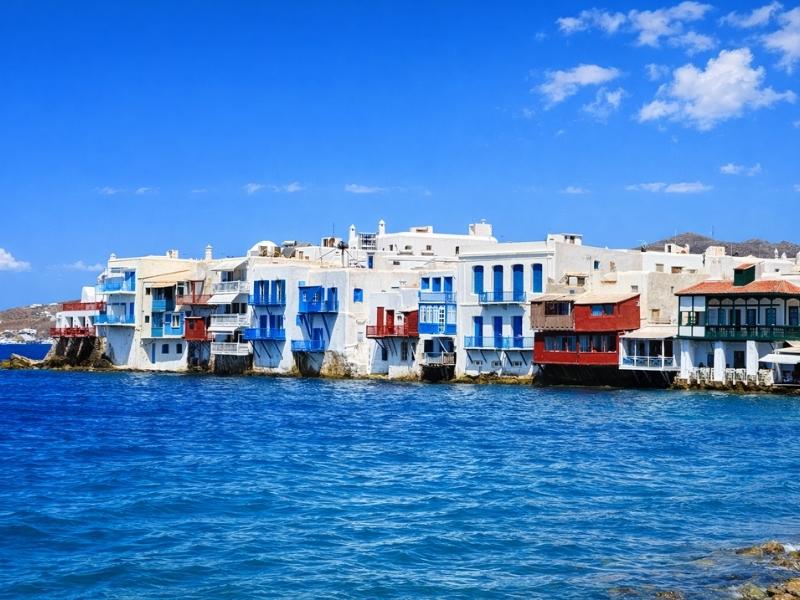
For emergencies: call 112, the pan-European emergency number that connects to police, ambulance, and fire services in Greece. For non-emergencies: the Mykonos tourist police are at +30 22890 22482. For medical issues: the Mykonos Health Centre is at +30 22890 23994. For serious incidents, contact your embassy: the U.S. Embassy in Athens is at +30 210 721 2951, the UK Embassy at +30 210 727 2600. For theft, file a police report as soon as possible, as you will need this documentation for insurance claims.
If your bag or phone is stolen, go to the nearest police station or call the tourist police line and file a report. The report is needed for travel insurance claims. Describe what was taken, when, and where. Take the report reference number. Contact your bank immediately to cancel any cards that were stolen and request an emergency replacement.
If you are involved in an ATV or vehicle accident, call 112 immediately. Do not move if you are injured. If you are the driver of a rental vehicle involved in an accident, the rental company should be notified as soon as possible, and your travel insurance company should be contacted for guidance on next steps. Medical evacuation insurance is worth having before you arrive: the Mykonos Health Centre handles immediate care, but serious injuries may require transfer to a hospital in Athens.
If you have a dispute with a pirate taxi driver or a restaurant over pricing, do not pay if the amount is clearly fraudulent. Ask to call the police, and then actually do so. Licensed businesses and legitimate taxi drivers will respond to this differently than those engaged in scams. If a restaurant server or taxi driver attempts to intimidate you into paying a disputed amount, stay calm, record the interaction on your phone if safe to do so, and call the tourist police.
If you feel unwell in a nightlife setting and suspect your drink has been tampered with, tell venue staff immediately and ask them to call an ambulance or the health centre. Do not attempt to walk home alone. The European emergency number 112 connects to medical services directly.
Save the following numbers in your phone before you arrive:
European Emergency Number: 112 (police, ambulance, fire)
Mykonos Tourist Police: +30 22890 22482
Mykonos Health Centre: +30 22890 23994
U.S. Embassy Athens: +30 210 721 2951
UK Embassy Athens: +30 210 727 2600
Canadian Embassy Athens: +30 210 727 3400
Australian Embassy Athens: +30 210 870 4000
Frequently Asked Questions
Is Mykonos safe to visit?
Yes. Greece holds a U.S. State Department Level 1 safety rating (Exercise Normal Precautions), the lowest risk category, as of October 2025. Violent crime is rare. The risks that do affect tourists on Mykonos are practical and largely preventable: ATV and scooter accidents, petty theft in crowds, pirate taxis, and alcohol-related incidents. All are avoidable with basic awareness.
What are the main dangers in Mykonos?
ATV and scooter accidents are the most consistent cause of serious tourist injury on the island. Petty theft in crowded tourist areas (Chora, beaches, beach clubs) is the most common minor incident. Pirate taxis at the airport and port carry risks beyond overcharging, including potential links to burglary networks. A small number of restaurants operate pricing scams. All are avoidable with specific precautions.
Is Mykonos safe at night?
Yes. Mykonos Town is busy and well-lit at night throughout the summer season. Walking through Chora at night is safe. The nightlife zone requires the same awareness you would apply at any major European party destination: keep your bag secure, stay aware of your surroundings, do not accept rides from unlicensed drivers, and arrange your transport home in advance rather than trying to hail a cab at 4am.
Are pirate taxis a real problem in Mykonos?
Yes, and a more serious one than most travel articles convey. Beyond overcharging, some unlicensed drivers are reportedly connected to organized burglary networks that use transport pickups to gather intelligence about villa occupancy and valuables. Book all transfers through your accommodation or a licensed operator. Licensed taxis have a TAXI rooftop sign and a working taximeter. Refuse anything else.
Is Mykonos safe for solo female travelers?
Yes. Solo female travelers consistently report positive experiences. The island’s cosmopolitan, international environment means a woman traveling alone is not unusual and does not face elevated harassment compared to major European cities. Standard nightlife precautions apply: arrange transport home before you go out, stay with groups when possible in late-night settings, and keep drinks in sight at venues.
Is Mykonos LGBTQ+ friendly and safe?
Very much so. Mykonos is one of the most established LGBTQ+ destinations in Europe, with a visible and welcoming scene that has been in place for decades. Same-sex couples are entirely unremarkable in every context on the island. Super Paradise Beach, Jackie O’, and the XLSIOR Festival in late August form part of one of the most prominent gay tourism circuits in the Mediterranean.
Greek tour guide since 2012 · Founder, Mykonos Tours
Alexandros has guided over 13,500 travelers through Mykonos and the Cyclades since founding the agency.
Your next step · optional experience
Choose an optional guided daytime outing
General recommendation — choose an option below to refine it.
Mykonos highlights by bus and on foot
Check your date before arranging the rest of your day. Pair the island drive with a guided walk through Mykonos Town.
3½ hours • English guide • Meet at New Port; hotel pickup excluded. Uneven walking and moderate fitness required.
Choose a date to view the published departure schedule. Final availability and price are confirmed on Viator.
Compare options, fit your day or calculate the cost
Pair the island drive with a guided walk through Mykonos Town. 3½ hours • English guide • Meet at New Port; hotel pickup excluded. Uneven walking and moderate fitness required.
Taste Greek coffee, pastries, spreads and souvlaki with a local guide. 2 hours • English • Meet at the Old Port Eurobank ATM. No included pickup; walking and steps. Confirm dietary needs before paying.
Explore quieter beaches and inland stops with a driver instead of hiring your own vehicle. 4 hours • English • Pickup/drop-off included. Agree your route before booking; beach visits are not guaranteed swim stops. Confirm access needs and child seats.
We may earn a commission from bookings through these links. Your final price and booking conditions are shown by the provider.