What to Do in Mykonos
The best things to do in Mykonos combine the island’s famous highlights with a few quieter experiences that many visitors overlook until it’s too late.
Swim at Rhenia, eat lunch aboard and explore Delos in one 5–6-hour outing. Discover Rhenia and Delos sailing trip ↗
The five things most visitors do: walk Mykonos Town early in the morning before the crowds arrive, take the Delos day trip, spend one full day at a south coast beach club, watch the sunset from the windmills with a drink in Little Venice, and stay out late enough to experience at least some of the nightlife. The five things most visitors skip and later regret: Delos (already mentioned but worth repeating), the quiet north coast beaches, Ano Mera village for lunch, a kayak or coastal walk between the south coast beaches, and simply sitting in a small square in Chora at dusk with nowhere particular to be.
| Delos day trip (guided) | Culture | Half-day | €79-120pp | All visitors, especially first-timers |
| Mykonos Town walk (early morning) | Culture / Exploration | 2-3 hrs | Free | Everyone |
| Beach club day (Scorpios, Tropicana) | Beach / Social | Full day | €90-400+ pp | Groups, couples, solo travelers |
| Sunset at windmills and Little Venice | Sightseeing | 2-3 hrs | Free (drinks extra) | Everyone |
| Catamaran / Delos boat tour | Outdoor / Culture | 5-8 hrs | €90-140pp | All travelers |
| South coast beach walk (Platis Gialos to Paraga) | Active | 1.5-2.5 hrs | Free | Active travelers, couples |
| Kayak tour (coastal) | Active | Half-day | €60-90pp | Active travelers, nature lovers |
| Ano Mera village visit | Culture / Food | 2-3 hrs | Free (food extra) | Culture seekers, foodies |
| Day trip to Tinos | Day trip | Full day | €9-20 ferry | Culture lovers, those wanting authentic Greece |
| Cavo Paradiso nightclub | Nightlife | 4-7 hrs (midnight to dawn) | €25-50 entry | Nightlife-focused travelers |
| Armenistis Lighthouse walk | Active / Scenic | 1.5-2 hrs return | Free | Walkers, photographers |
| Panagia Paraportiani at sunrise | Culture / Photography | 30-60 mins | Free | Photographers, early risers |
Booking choice: Choose the live English guide option for guided Delos. Admission and optional pickup cost extra. Confirm meeting point the day before; swimming uses a ladder. Check dates for Rhenia and Delos sailing trip ↗
What Are the Best Things to Do in Mykonos?
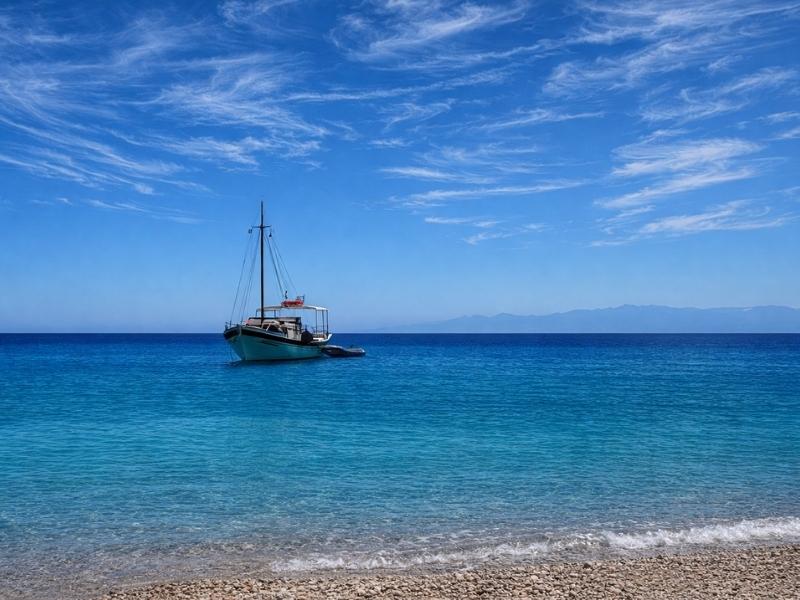
The non-negotiable five: walk Mykonos Town before 9am at least once, take the Delos day trip, spend one properly planned full day at a beach club, watch the sunset from the windmills into Little Venice, and stay out late enough to experience the nightlife at the hour it actually peaks. Beyond these, the activities that most elevate a Mykonos trip are the ones most visitors either skip or never find out about: the coastal path between south coast beaches, Ano Mera village, the north coast beaches on a calm day, and the kayak tours that reach coastline no road can access.
The most visited destinations on Mykonos, Mykonos Town and the south coast beaches, are visited by almost everyone. The things that make the gap between a good Mykonos trip and an exceptional one are usually the activities in a different category: the early morning rather than the midday crowd, the boat rather than the beach, the village rather than the tourist strip. None of these require more money or more effort than the standard beach club day. They require knowing they exist and building them into a plan.
Our team at Mykonos Tours has been watching travelers navigate this island since 2012. The pattern is consistent: people who arrive with a plan that includes at least two activities beyond beaches and nightlife leave with the most complete sense of the island. People who spend all four nights on the south coast leave satisfied but occasionally with a feeling that there was a layer they did not quite reach.
Want to know which Mykonos beach clubs are actually worth the reservation and the price tag versus which ones trade entirely on reputation? Here’s our best beach clubs in Mykonos tours guide so you spend your day in the right place.
What Are the Best Cultural Things to Do in Mykonos?
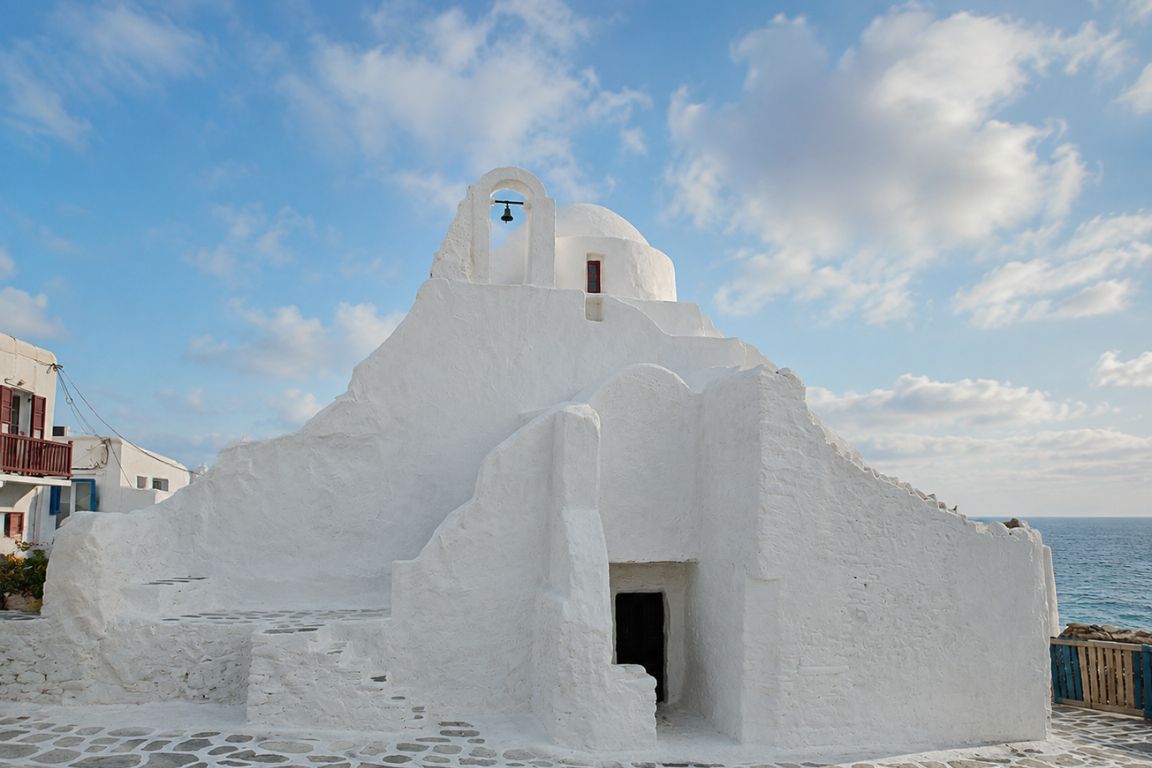 Delos is the single most important cultural activity available from Mykonos, and it deserves a dedicated article (which we have written). Beyond Delos: Panagia Paraportiani at sunrise before the crowds arrive, Ano Mera village and the Panagia Tourliani Monastery, the Archaeological Museum of Mykonos near the old port, and the Aegean Maritime Museum in Chora. These five things together cover the full cultural range of an island that is far older and more layered than its beach club reputation suggests.
Panagia Paraportiani is five chapels built between the 1425 and the 1600s, merged into a single asymmetrical white mass in the Kastro quarter near the waterfront. From a distance it looks like it grew out of the rock rather than being constructed on it. The building is one of the most photographed in Greece, which is both a testament to its visual power and, in peak season, a practical obstacle to experiencing it quietly. The solution is timing: before 9am, with the morning light catching the south face of the structure and no one else around, it is extraordinary. At 2pm in August it is surrounded by hundreds of people. The building has not changed. The experience of it has.
Ano Mera sits in the interior of the island, about 8km east of Mykonos Town. It is a working Mykonian village with a central square, local tavernas, and the Monastery of Panagia Tourliani at its centre, founded in 1542 and housing a beautifully carved 16th-century marble iconostasis that most visitors to the island never see. The square itself feels nothing like the Chora tourist circuit: quieter, more local, the coffee shop across from the monastery serving the same people it has served for decades. Lunch in Ano Mera at one of the local tavernas, where prices run roughly half of what you pay in Chora and the food is built around what is seasonal and local, is one of the most genuinely pleasurable things you can do on the island.
The Archaeological Museum of Mykonos sits near the old port and holds artifacts from both Mykonos and Delos spanning from the 9th century BCE. The Minoan pithos with the relief frieze of the Trojan Horse, discovered on the island of Mykonos, is among the oldest representations of the subject in existence. This is a museum worth thirty minutes of genuine attention. It is not a large museum, but the quality of what it contains is exceptional, and its proximity to the Delos material gives it a context that Mykonos’s party reputation tends to obscure.
Not sure when to go to get the best of Mykonos without the worst of the summer crowds and peak season prices? Here’s our best time to visit Mykonos tours guide so you time your trip right.
What Are the Best Outdoor and Active Things to Do in Mykonos?
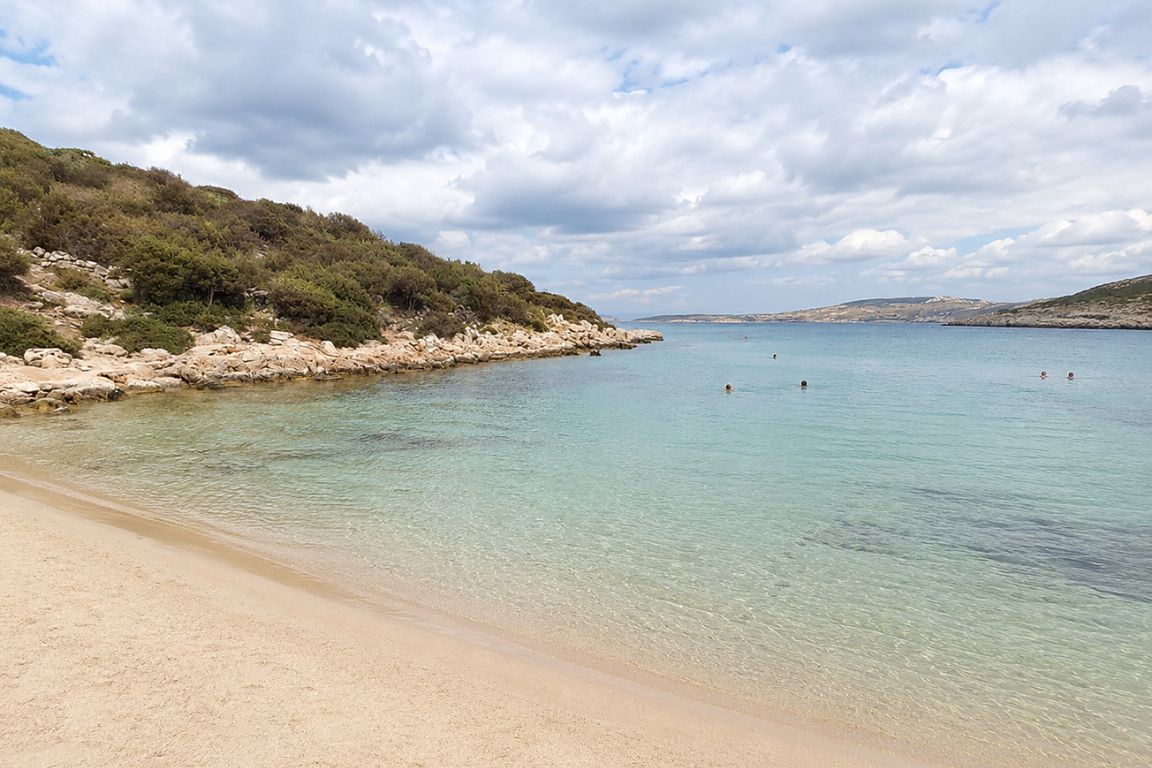 The most distinctive active experience on the island is the south coast coastal walk connecting Platis Gialos, Agia Anna, Paraga, and Paradise Beach along a path above the sea that most visitors drive past without knowing it exists. The kayak tours run by Mykonos Kayak reach coastline, caves, and coves that no road and no water taxi can access. The Armenistis Lighthouse walk on the northwest coast combines a proper hike with one of the most exposed views on the island. All three are genuinely different from anything the beach club and nightlife world offers.
The south coast coastal walk is one of the best-kept secrets on the island. The path runs from Platis Gialos east through Agia Anna and on to Paraga and Paradise Beach, staying close to the sea and often running above rocky coves with clear water below. It takes around 90 minutes to two hours depending on pace, and the views across the Aegean with the islands of Paros and Naxos on the horizon are the kind of thing that makes the beach club energy feel very far away. The path starts from the east end of Platis Gialos beach. Wear shoes with grip, not flip-flops. Take the water taxi back from Paradise Beach rather than retracing your steps.
Mykonos Kayak runs guided coastal kayak tours that access the island from the water in the way that neither the beach clubs nor the water taxi does. The tours visit sea caves, secluded coves reachable only by boat, and the protected coastal zone where the terrain is undeveloped and the marine life is visibly more varied. The guides, who are from Mykonos, combine route knowledge with genuine enthusiasm for the island’s natural landscape that is not typically on offer in the beach club world. A half-day tour runs around €60-90 per person and consistently receives the highest post-trip ratings of any activity on the island for travelers who do it. No kayaking experience is necessary.
The Armenistis Lighthouse on the northwest coast is a genuine hike rather than a gentle walk. The path from the nearest road runs across bare rock with the Aegean dropping away on both sides and the wind at its most direct. The lighthouse itself, built in 1891, marks the northwestern tip of the island. From it on a clear day you can see Tinos, Syros, and the mainland peninsula of Attica in the distance. The round trip takes 90 minutes to two hours. The drive to the trailhead requires a car. Do it in the morning rather than the afternoon if the meltemi is blowing.
Kalafatis Beach on the east coast has the island’s most developed watersports infrastructure: jet skiing, scuba diving, windsurfing, and stand-up paddleboarding all operate from the beach. For travelers who want activity alongside their beach time rather than a purely passive day, Kalafatis is the right destination. The beach is wide, has natural shade from trees at the edges, and the watersports operators are professional and well-equipped.
Not all Mykonos beaches are created equal and the difference between a perfect beach day and an overpriced disappointment comes down to which one you choose – our best beaches in Mykonos tours guide breaks down exactly what each major beach delivers.
What Are the Best Things to Do in Mykonos Town?
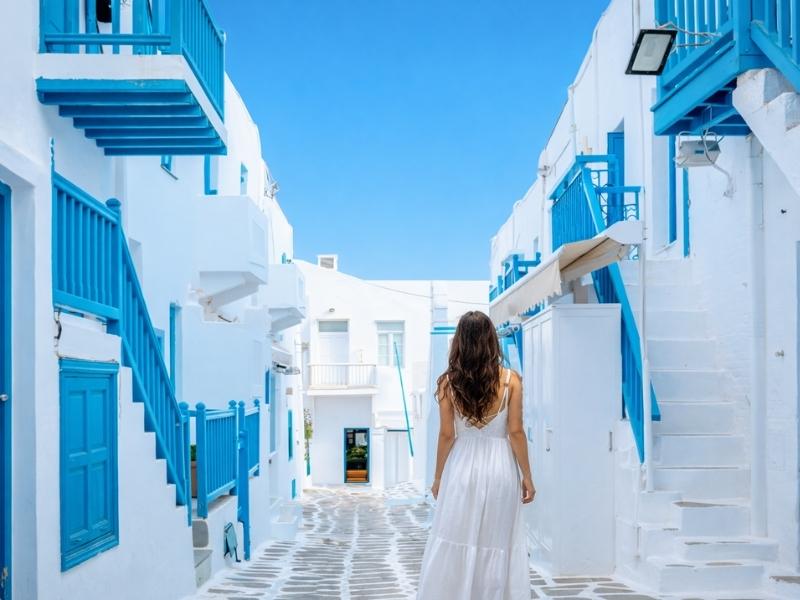
Mykonos Town rewards two completely different visits: one before 9am and one after 8pm. Before 9am it belongs to the residents, the cats, and whoever got up early enough to find it. After 8pm it fills with exactly the cosmopolitan energy the island is famous for, the restaurants full, the alley bars starting to pulse, Little Venice lit and loud. The mistake is doing only the evening version and concluding that the famous Chora is just a very expensive shopping street.
The early morning walk is one of the most consistent pieces of advice experienced Mykonos visitors give to first-timers. Chora before 9am is a different island. The narrow alleys of the Kastro quarter, which run behind and above Matogianni Street, are quiet in a way they will not be again until October. Cats occupy the intersections. The fish market by the old port opens early and the smell of fresh octopus drying on the line outside a taverna is something the Instagram version of Mykonos never quite captures. Panagia Paraportiani at sunrise, without a single other tourist in the frame, is the most accurate photograph of the island available.
Matogianni Street, the main tourist artery of Chora, contains boutiques ranging from local jewellers and ceramics to Dior and Louis Vuitton. The shopping is expensive and genuinely good. The side lanes off Matogianni, particularly Kalogera Street and the alleys that run perpendicular toward the sea, hold smaller local shops selling handmade leather sandals, ceramics, local olive oil soaps, and jewellery inspired by Cycladic geometry. These are the shops worth spending time in.
The windmills of Kato Mili stand on a small hill at the western edge of Chora, five of them in a row, built in the 16th century by Venetian merchants to process the grain trade across the eastern Mediterranean. They are best approached from below via the path from Little Venice and seen against the afternoon light before sunset. The view from the hill looks back over the old port, the waterfront, and out to sea toward Delos. It is one of those views that photographs have made familiar and the actual thing still makes better.
Little Venice, the row of 18th-century houses built directly over the sea at the western edge of Chora, is famous for its sunset views. The waterfront bars here, Negrita, Scarpa, Semeli, and others, fill from around 6:30pm and reach capacity at sunset. Arrive by 6:30pm to secure a waterfront seat. The view from inside a bar over the water toward the windmills as the sun drops is one of the island’s signature moments. After the sun is gone, most people drift toward dinner in the alleys behind, and then back toward the bars as the night builds.
What Are the Best Day Trips from Mykonos?
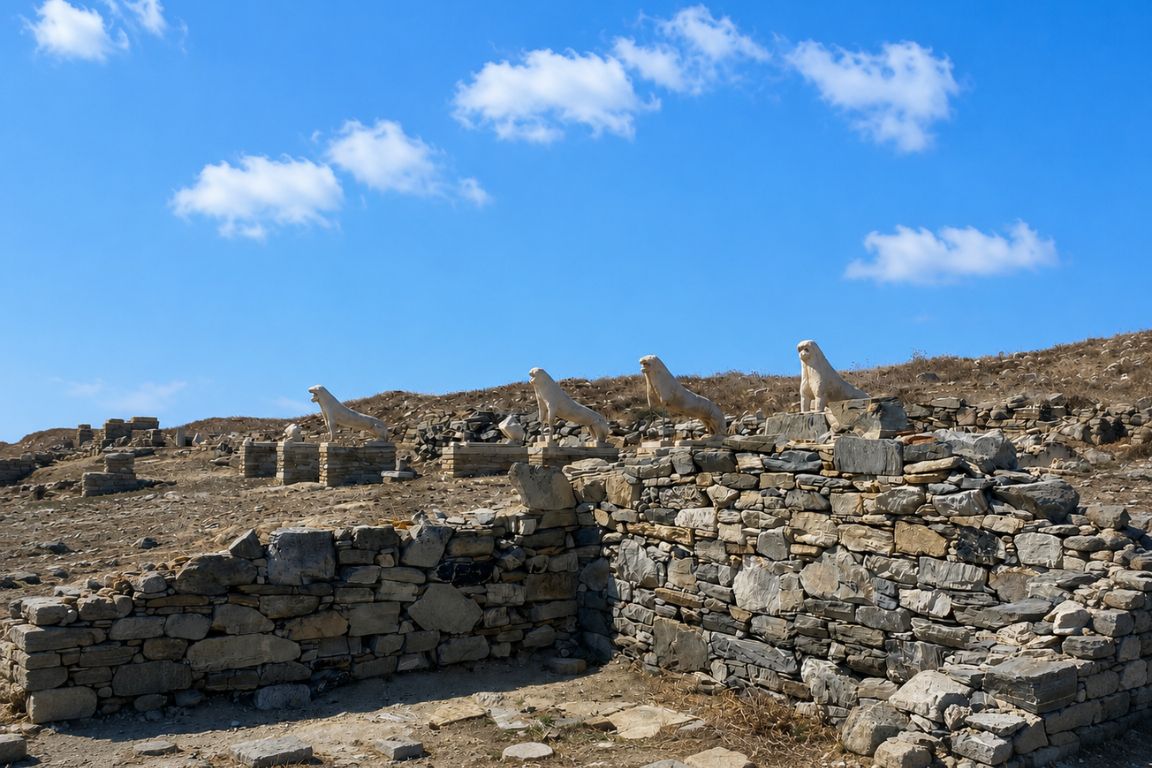 Delos is the best day trip from Mykonos and is so significant it has its own article. Beyond Delos: Tinos is the best day trip to a neighbouring island, 20-30 minutes by ferry with marble-carved villages, local food, and a genuine local character entirely unlike Mykonos. Paros (45 minutes) and Naxos (40 minutes) offer excellent beaches and traditional Cycladic villages. All three make for a genuine change of pace from the Mykonos circuit.
Tinos deserves particular attention because it is the most undervisited significant island in the Cyclades relative to its quality. The ferry from Mykonos takes 20-30 minutes and tickets cost around €9. The island is most famous for the Church of Panagia Evangelistria, a major Orthodox pilgrimage site, but its broader appeal is the system of marble-carving villages in the interior, the local louza (cured pork) and artichoke-based cuisine, and the general atmosphere of an island that has not organised itself primarily around tourism. Pyrgos village in the north, built from white marble with a museum dedicated to the sculptor Yannoulis Halepas, is one of the most beautiful places in the Cyclades. A day trip to Tinos and back puts you on a different island entirely by the time you return to Mykonos’s beach clubs for the evening.
Paros is 45 minutes by fast ferry and offers Parikia Old Town, the famous Ekatontapiliani church (one of the oldest in Greece), the harbour village of Naoussa, and Kolymbithres Beach with its distinctive granite rock formations. Naxos is slightly closer at 35-40 minutes and is the largest Cycladic island, with the giant marble Portara (a doorway from an unfinished Temple of Apollo) visible from the ferry harbour, and the Halki village in the interior with its Venetian towers and local Kitron liqueur. Both are different enough from Mykonos to feel like genuinely different destinations on the same trip.
Want to add genuine historical depth to a Mykonos trip that most visitors spend entirely on the beach? Here’s our Delos tour from Mykonos guide so you know exactly what to expect on the island.
| Delos | 30-40 min | €25 return | Archaeology, UNESCO, history (best day trip from Mykonos) |
| Tinos | 20-30 min | €9-15 | Culture, authentic villages, local food, best-value day trip |
| Paros | 45 min | €30-45 | Old town, Naoussa harbour, traditional Cycladic character |
| Naxos | 35-40 min | €25-35 | Portara, Halki village, beaches, local produce |
| Syros | 25-40 min | €17-25 | Neoclassical architecture, local sweets (loukoumia), culture |
| Santorini | 2 hrs | €45-65 | Ambitious day trip; better as overnight stay |
What Are the Best Things to Do in Mykonos at Night?
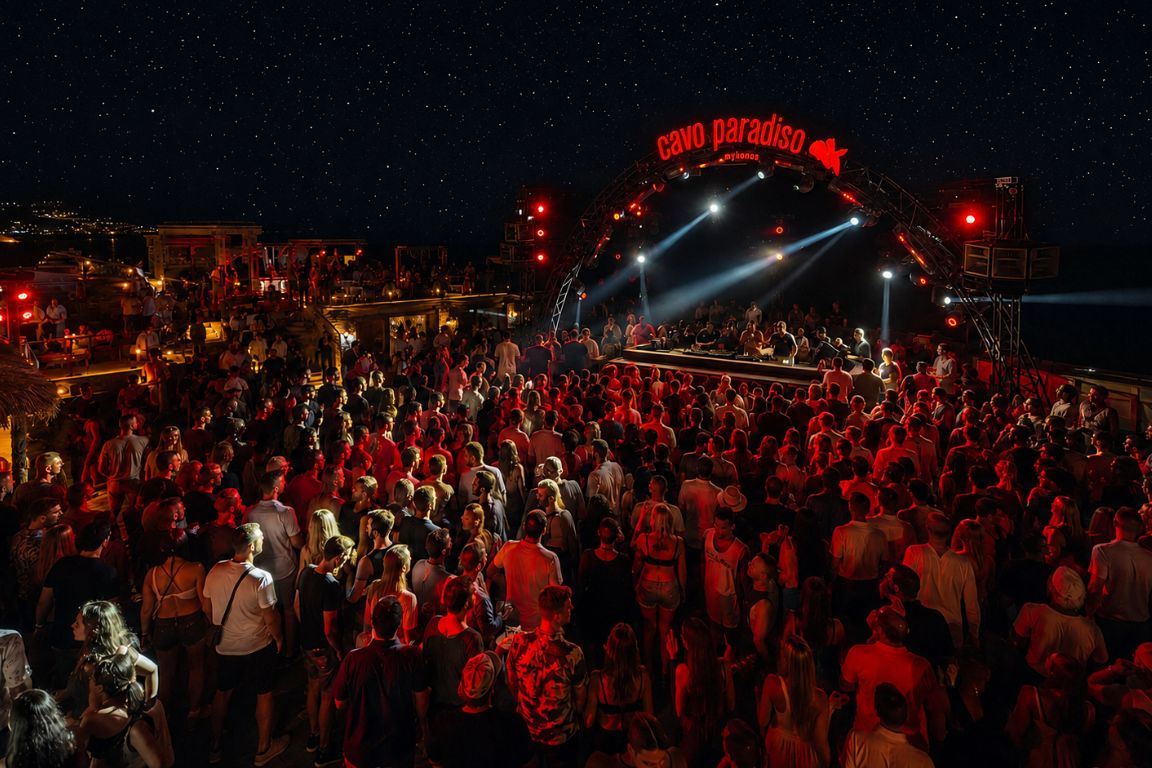 The Mykonos night has a clear sequence that makes each element work: sunset cocktails in Little Venice from 7pm, dinner in Chora from 9pm, pre-party drinks at Astra or the bars around Matogianni from 11pm, and then Cavo Paradiso or the Chora clubs from 1am. The Scorpios Sunset Ritual (5:30pm-10pm) is a complete evening on its own rather than a warm-up. The bars of Little Venice, the restaurants in the alleys of Chora, and a late-night gyros from one of the old port snack stalls are all part of an evening sequence that the island has refined over decades.
The night in Mykonos starts earlier than most visitors plan for and ends later than most visitors expect. Sunset in Little Venice at 7pm is genuinely one of the best things the island offers: the light off the sea in the final thirty minutes before dark is extraordinary, and the bars along the waterfront are at their most atmospheric precisely in this window. The crowds peak at sunset and then begin to thin as people move toward dinner, which makes the transition from bar to restaurant feel natural rather than forced.
Dinner in Chora from 9pm to 10:30pm is the pause in the middle of a long evening. The restaurants in the alleys behind Matogianni, particularly in the Nikos Tavern area and the streets between the old port and the windmills, serve the same Aegean seafood and local mezze that the island has built its food reputation on. A proper dinner at this stage sets the pacing for a night that will not end until 4am if you are doing it properly.
For the Scorpios option: the Sunset Ritual from 5:30pm to 10pm at Paraga Beach is a complete standalone evening rather than just a beach club visit. The ceremony of the thing, the music building through sunset, the live performers from 7pm on ritual nights, and the barefoot dancing under the stars until 10pm, is a different kind of Mykonos night than the Cavo Paradiso version. Both are worth doing on separate evenings if your stay is long enough.
The nightclubs in Chora run properly from 1am. Astra in its courtyard with fire dancers and the fibre-optic ceiling. Skandinavian Bar for something more accessible and social. Void for serious electronic music. The evening of bar-hopping through the lit alleys of Chora that starts at midnight and wanders toward wherever the energy is strongest is one of those experiences that benefits from having no fixed plan. Cavo Paradiso, on the cliff above Paradise Beach, peaks between 2am and 5am and is the most distinctly Mykonos nightlife experience available.
Trying to figure out whether to prioritize a full beach club day or save your energy for the Mykonos nightlife that doesn’t get started until midnight? Check out our Mykonos day party vs night party guide before you plan your schedule.
What Should You Not Miss on Your First Visit to Mykonos?
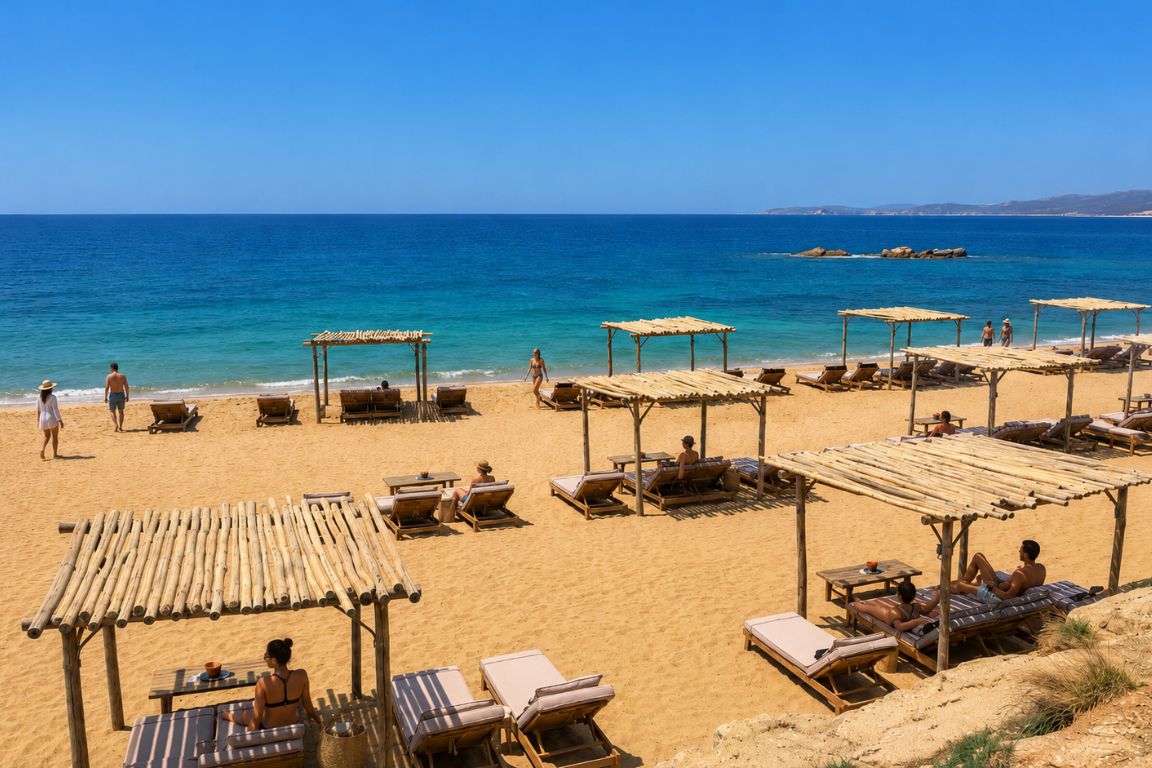 The things most first-time visitors skip, in order of how often they express regret about it afterward: Delos (most common), an early morning walk in Chora before 9am, Ano Mera village for lunch, a quiet north coast beach on a calm day, the coastal path between Platis Gialos and Paraga, and the Armenistis Lighthouse. All of these are free or very low cost. None of them require advance booking. All of them offer something the beach clubs and nightlife cannot.
Delos is first because it is the most consistent regret we hear. Twenty-five minutes from the old port by ferry, €45 for ferry and entry, one of the most significant archaeological sites in the Mediterranean. The travelers who go almost unanimously say it was the best thing they did on the island. The travelers who skip it almost unanimously wish they had not. This is not a nuanced verdict. Go to Delos.
The early morning walk in Chora is second because it transforms the town from a thing you navigate into a thing you experience. The alleys of the Kastro quarter before 9am look like what Mykonos actually is, before the season overlays itself on top. The cats. The old port fish sellers. Panagia Paraportiani without anyone in front of it. This window exists every single morning and most visitors sleep through all of them.
Ano Mera is third because it costs nothing to reach by bus (€2-3 from Fabrika) and delivers a genuine alternative to the Chora tourist circuit. The monastery square, a coffee, lunch at a taverna whose owner knows the regulars by name: this is the Mykonos that existed before the beach clubs and that continues quietly alongside them. An afternoon in Ano Mera followed by a return to Chora for the evening is one of the most satisfying structures for a day on the island.
Want to make sure your first Mykonos trip covers the highlights without the rookie mistakes that most first-timers only regret in hindsight? Here’s our Mykonos tours for first-time visitors guide so you get it right from the start.
| Delos day trip | Best thing I did on the island | Most common regret of the trip |
| Early morning Chora walk | Changed how I understood the island | Didn’t know it was possible; wish I had |
| Ano Mera village | Felt like the real Greece | Didn’t know it was there; would have gone |
| Scorpios Sunset Ritual | Trip highlight, would return for it alone | Tried to walk in; no reservation; missed it |
| Kayak tour | Best day of the whole trip for active types | Didn’t know it existed |
| Tinos day trip | Completely different experience in 30 minutes | Didn’t know how close it was |
| North coast beaches (calm day) | Most beautiful thing on the island | Never heard about them / no car |
The best version of a Mykonos trip uses the beaches and beach clubs as its foundation and builds everything else around them: an early morning, a boat day, a village lunch, and at least one evening that starts with a proper sunset and goes somewhere unexpected. None of this requires a longer trip than four nights. It requires knowing the possibilities exist before you arrive. That is what this article is for.
We’ve put together a full operator comparison in our best Mykonos boat tours guide so you know exactly which experience fits your budget, group size, and what you actually want from a day on the Aegean.
Frequently Asked Questions
What is the number one thing to do in Mykonos?
If you have only one day and one activity to choose: the Delos day trip. It is the single thing most travelers skip, the single most common regret of the trip, and the single activity that puts everything else about Mykonos in a context that the beach clubs and nightlife cannot provide. The boat takes 30 minutes. Entry is €45 for ferry and site combined. Go with a guide. It is worth every euro and every minute.
Is Mykonos good for things to do beyond beaches and nightlife?
Yes, considerably more than most visitors expect. Delos is one of the most significant archaeological sites in the Mediterranean. Panagia Paraportiani is one of the most remarkable churches in Greece. Ano Mera village offers a genuine local Cycladic character entirely unlike the Chora tourist circuit. The coastal walk between south coast beaches, the kayak tours, and the Armenistis Lighthouse hike all offer outdoor experiences well beyond the standard beach day. Mykonos rewards travelers who look for the second layer.
What is the best free thing to do in Mykonos?
Walking Mykonos Town before 9am. It costs nothing and delivers the most undiluted version of what makes the island genuinely beautiful: the alleys of the Kastro quarter before any other tourists are up, Panagia Paraportiani without a crowd in front of it, the cats at the intersections, the early morning light off the whitewashed walls. The same walk at noon in August is a fundamentally different experience. The free version is better.
What is there to do in Mykonos for non-party people?
Quite a lot. Delos, Mykonos Town (morning), Ano Mera village, the quiet north coast beaches (Agios Sostis, Fokos), the coastal walk between Platis Gialos and Paraga, kayak tours, the Armenistis Lighthouse walk, the Archaeological Museum, a day trip to Tinos. None of these involve beach clubs or late-night clubs. All of them are genuinely good. The island’s party reputation is loud enough that this layer gets overlooked, but it is consistently what the most satisfied non-party travelers describe as the best parts of their trip.
How many days do you need to do everything in Mykonos?
Four to five nights covers the main experiences comfortably: two beach days (south coast and quiet north coast), the Delos day trip, a full evening sequence from sunset to late night, Mykonos Town properly, and Ano Mera village. Three nights is workable but rushed. A sixth or seventh night makes sense if you want to add a day trip to Tinos or Paros. There is enough on the island to fill five days without any sense of repetition.
What is the best time to walk Mykonos Town?
Before 9am for the authentic experience: quiet alleys, no cruise ship day-trippers, Panagia Paraportiani without a crowd, the old port fish market, cats at every corner. After 8pm for the evening atmosphere: restaurants full, bars beginning to fill, the lit alleys of Chora in their most cosmopolitan mode. The period between 11am and 7pm in July and August, when the cruise ship passengers and beach club crowds are all in town simultaneously, is the worst time to try to appreciate the architecture or find your way through the alleys at anything above shuffle pace.
Greek tour guide since 2012 · Founder, Mykonos Tours
Alexandros has guided over 13,500 travelers through Mykonos and the Cyclades since founding the agency.
Your next step · optional experience
Choose the experience you want to add
General recommendation — choose an option below to refine it.
Rhenia sailing and Delos visit
Check your date before arranging the rest of your day. Swim at Rhenia, eat lunch aboard and explore Delos in one 5–6-hour outing.
Choose the live English guide option for guided Delos. Admission and optional pickup cost extra. Confirm meeting point the day before; swimming uses a ladder.
Choose a date to view the published departure schedule. Final availability and price are confirmed on Viator.
Compare options, fit your day or calculate the cost
Swim at Rhenia, eat lunch aboard and explore Delos in one 5–6-hour outing. Choose the live English guide option for guided Delos. Admission and optional pickup cost extra. Confirm meeting point the day before; swimming uses a ladder.
Explore the ancient city with a certified guide and return boat travel. 4 hours • Select the English tour • Old Port check-in 60–30 minutes before departure. Site and museum admission extra; hotel pickup excluded. Uneven terrain.
Taste Greek coffee, pastries, spreads and souvlaki with a local guide. 2 hours • English • Meet at the Old Port Eurobank ATM. No included pickup; walking and steps. Confirm dietary needs before paying.
Pair the island drive with a guided walk through Mykonos Town. 3½ hours • English guide • Meet at New Port; hotel pickup excluded. Uneven walking and moderate fitness required.
We may earn a commission from bookings through these links. Your final price and booking conditions are shown by the provider.