Mykonos on a Budget
While Mykonos is one of Greece’s most expensive islands, a budget-conscious trip is absolutely possible if you focus on timing, local transport, and simpler dining options.
Taste Greek coffee, pastries, spreads and souvlaki with a local guide. Discover Mykonos food walk ↗
Mykonos is not a budget destination. That said, there is a genuine difference between a €65-85 per person per day trip and a €300 per day trip, and the lower end is achievable with specific choices. The biggest single lever is timing: late May and early October accommodation runs 40-60% below August peak for identical properties. Eat at Sakis Grill House (gyros from €4), Gioras Wood Bakery (pastries from €2), and Ano Mera village tavernas (meals from €10-14). Use the Fabrika bus (€2-3 per ride) and the water taxi all-day pass (€20 cash). Skip taxis. The beaches themselves are free; sunbeds are optional.
| Accommodation (hostel dorm) | Paradise Beach Resort or MyCocoon Hostel | €35-60/night peak; €9-25 shoulder |
| Accommodation (budget guesthouse) | Studios in Chora backstreets or Ano Mera | €60-100/night shoulder season |
| Breakfast | Supermarket or Gioras Wood Bakery | €2-5 |
| Lunch | Sakis Grill House (gyros), souvlaki stalls | €4-8 |
| Dinner | Ano Mera taverna or Chora backstreet restaurant | €10-18 per person |
| Beach transport | Fabrika bus to south coast beaches | €2-3 per ride |
| Beach hopping | Water taxi all-day pass (cash) | €20 |
| Port to Chora | Sea Bus (New Port to Old Port) | €2-3 |
| Beach access | All beaches free without sunbeds | €0 |
| Mykonos Town walk | Chora, windmills, Panagia Paraportiani | €0 |
| Delos day trip (budget) | Ferry + site entry, self-guided | €25 ferry + €20 entry = €45 |
| One beach club day | Tropicana, Paradise (lower-cost option) | €30-60 sunbed + drinks |
Booking choice: 2 hours • English • Meet at the Old Port Eurobank ATM. No included pickup; walking and steps. Confirm dietary needs before paying. Check dates for Mykonos food walk ↗
Can You Do Mykonos on a Budget?
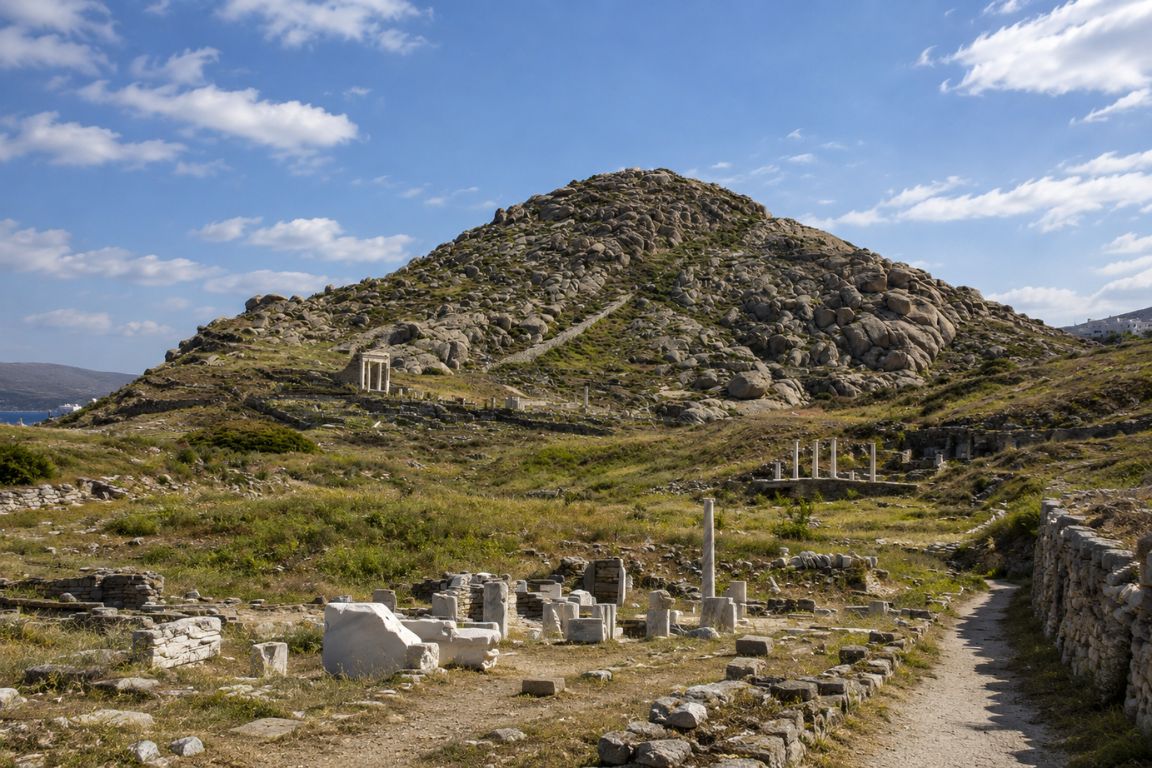 Yes, within limits that are worth stating clearly. A genuine budget Mykonos trip, staying in a hostel dorm or basic guesthouse, eating gyros and bakery food and Ano Mera taverna meals, using buses and the water taxi, and skipping the premium beach clubs, costs €65-85 per person per day including accommodation. This is not cheap by the standards of most European destinations. It is achievable, and it leaves you with access to the beaches, the town, the early morning walk, Delos, and the island’s most genuinely beautiful experiences. None of those require spending €300 a day.
The costs on Mykonos that are fixed regardless of your travel style: transport from wherever you fly in, the ferry or flight to the island, and a one-way ticket to Delos if you go. The costs that are genuinely variable: accommodation (from €35 per night in a hostel dorm to €600+ at a boutique hotel), food (from €4 for a gyros to €80 for a main course at a fine dining restaurant), beach experience (from €0 lying on the sand to €240 for a Scorpios Private Beach cabana), and nightlife (from a free walk through Little Venice at sunset to €160 for a bottle of spirits at a beach club).
The trap most budget travelers fall into on Mykonos is treating the variable costs as fixed. They budget for the hostel correctly and then pay beach club prices because they did not know the beaches are also free without sunbeds. They spend €25 on a dinner in Chora because they did not know Ano Mera exists. The budget version of Mykonos requires knowing your specific options before you arrive, not discovering them by accident on day three.
One honest caveat: a budget Mykonos trip during July and August is harder than at any other time. Hostel dorms in peak summer cost €40-60 per night. Basic accommodation that costs €60-80 in late May costs €200+ in August. The budget lever that matters most is timing, which Section 2 covers in detail.
First time planning a Greek island trip and not sure how to approach Mykonos without overpaying for everything? Here’s our how to plan a trip to Mykonos tours guide so you go in with a clear strategy.
What Is the Cheapest Time to Visit Mykonos?
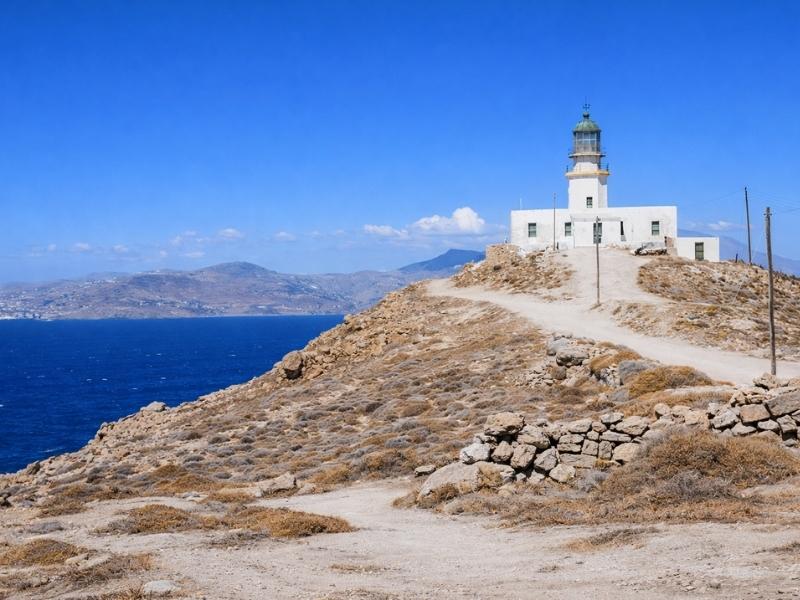
Late May and early October are the best windows for budget travel to Mykonos. Accommodation runs 40-60% below August peak while the island is fully operational: beach clubs open, restaurants running, water taxi service active, good weather, and sea temperatures genuinely warm enough for comfortable swimming. A hotel room costing €300 per night in August frequently costs €100-120 in late May or early October at the same property. Hostel dorm beds drop from €40-60 to €9-25 for the same beds in the same rooms.
The seasonal price spread on Mykonos is among the most dramatic in Greek island travel. The exact same accommodation that costs €300-600 per night in July and August costs €100-180 in June and September and €60-100 in late May and early October. This is not a small difference: it is the difference between a budget trip being theoretically possible and a budget trip being genuinely comfortable.
Late May is the strongest pure value window. The island is fully open and operational from mid-May: beach clubs have their opening events, restaurants are running, the water taxi and bus networks are active. Air temperatures reach 22-24°C. Sea temperatures are 19-21°C, which is fresh but manageable for swimming and significantly more pleasant than any north European sea in summer. Accommodation at this time sits at its seasonal low before the summer ramp-up. A late May trip to Mykonos at €80-100 per person per day all-in is genuinely achievable and delivers real beach season rather than an off-season visit.
We’ve put together a full beach season breakdown in our beach season Mykonos tours guide so you know exactly when to go based on your priorities, budget, and what kind of beach day you actually want.
Early October works similarly. The sea is at its warmest of the year (22-23°C) because it has spent the entire summer accumulating heat. Air temperatures are comfortable at 20-22°C. Most beach clubs run into the first two weeks of October, with closing parties typically the final weekend of September or first weekend of October. Restaurant choice narrows toward mid-October as some venues close for the season. Target the first ten days of October for the best combination of open infrastructure and low prices.
June and September are the middle ground: better value than July-August, with accommodation 30-40% cheaper and beach clubs fully operational with complete programmes. These are the months that most experienced Mykonos travelers recommend as the best overall balance of experience and cost.
Not sure when to go to get the best of Mykonos without the worst of the summer crowds and peak season prices? Here’s our best time to visit Mykonos tours guide so you time your trip right.
Where Should Budget Travelers Stay in Mykonos?
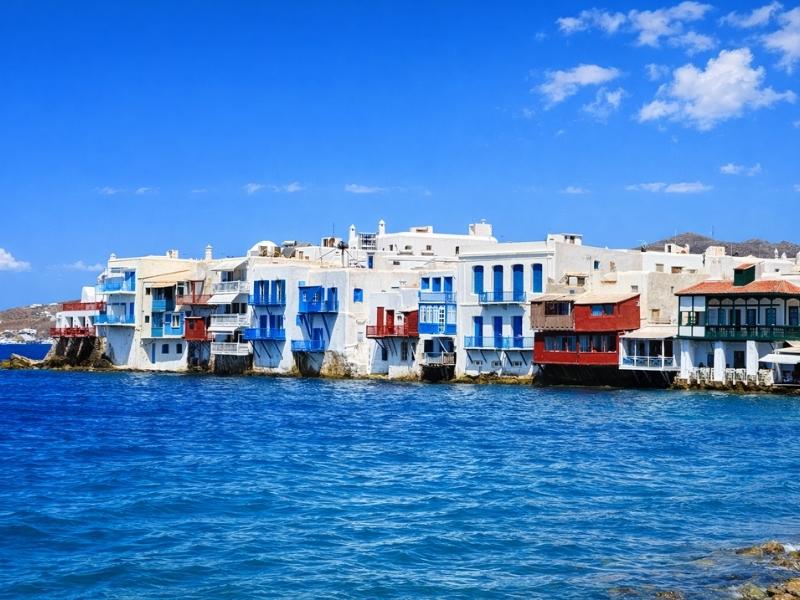
The cheapest legitimate accommodation on the island is the hostel at Paradise Beach (Paradise Beach Resort), which offers dorm beds in peak summer for €40-60 per night and drops to €9-25 in shoulder season. Budget guesthouses and studios in the backstreets of Chora’s quieter alleys start around €60-100 per night in shoulder season. Ano Mera village, the one inland settlement on the island, offers the cheapest rooms on the island at any time of year and is a genuinely liveable base for travelers with a rental car or who are happy with the bus.
Paradise Beach Resort sits directly at Paradise Beach, has the social infrastructure of an active beach party venue around it, and is the closest thing to a true backpacker hostel on Mykonos. The dorms are basic and in peak season the noise from the adjacent clubs runs until 4am or later, which is a feature for some travelers and a genuine problem for others. The beach is outside the door. The bus to Chora runs regularly. For budget travelers specifically interested in the Paradise Beach party scene, this is the right base at the right price.
MyCocoon and similar small budget guesthouses in Chora’s backstreets offer private rooms in shoulder season at €60-100 per night. The trade-off versus a hostel is privacy and slightly better sleep; the trade-off versus a mid-range hotel is smaller rooms, no pool, and limited amenities. In peak season, even these properties rise to €150-200+ per night, which removes them from the genuine budget category. Booking four to six weeks ahead for shoulder season visits secures the better rooms at the lower prices.
Ano Mera is the most consistently underpriced accommodation area on the island. The village is 8km east of Mykonos Town, reached by bus in 20-25 minutes from Fabrika. Small studios and apartments here run significantly below Chora and south coast prices at any point in the season. The trade-off is distance from the evening action in Chora: the bus back to town runs until around midnight in summer, after which you need a taxi. For travelers who are there for the beaches rather than the nightlife, Ano Mera works well as a base and adds a genuinely local village character that Chora accommodation cannot match at any price.
Self-catering apartments throughout the island, booked through standard platforms, offer kitchen access that allows supermarket breakfasts and packed lunches to replace the per-meal cost accumulation of restaurant eating. For a four-night stay, the savings from a kitchenette apartment versus a hotel room can offset a significant part of the accommodation premium.
How Do Budget Travelers Eat Well in Mykonos?
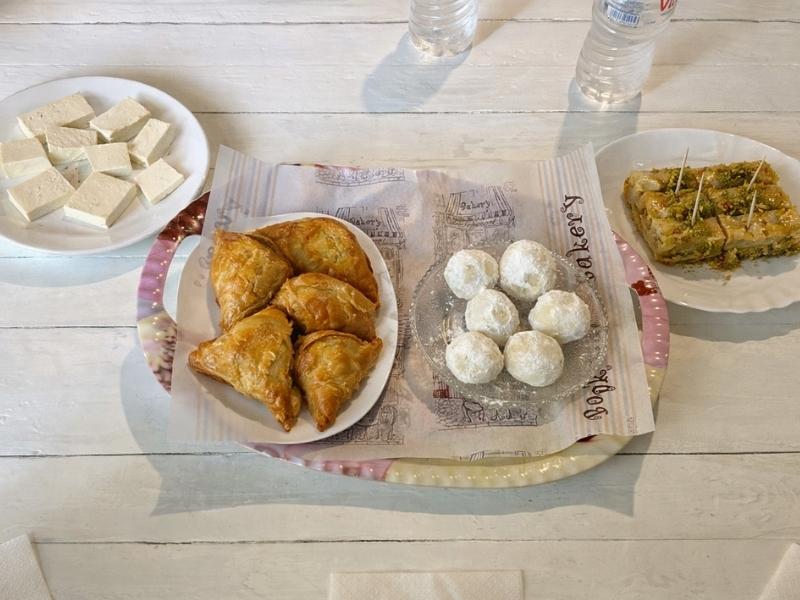
The food budget on Mykonos does not have to be painful. Sakis Grill House in Chora has served gyros from €4 since 1986 and is one of the most reliably satisfying meals on the island at any budget level. Gioras Wood Bakery in Chora sells fresh pies, bread, and pastries from €2 using a wood-burning oven that has been in the same family for 200 years. Ano Mera village tavernas serve full meals for €10-18 per person at prices that run 30-40% below comparable Chora restaurants. A supermarket breakfast costs €3-5 and frees your lunch budget for a proper midday meal.
Sakis Grill House on Kalogera Street in Chora is the answer to “where is the cheapest genuinely good food in Mykonos.” The restaurant opened in 1986 and has operated continuously since, serving pork and chicken gyros in pita with tzatziki, tomatoes, onion, and fries. Gyros cost from €4. Grill plates with salad, pita, and tzatziki run €5-9. The portions are generous, the queue is often long (which is its own recommendation), and the food is the same quality as anything you will eat on the island at five times the price. Lunch here every day of a four-night trip costs roughly what a single cocktail at Scorpios costs.
Gioras Wood Medieval Mykonian Bakery, also in Chora, has been operating since the 15th century using the same wood-burning oven. Pies, loukoumades (honey doughnuts), bread, and traditional pastries start from €2. This is the best breakfast option in Chora for budget travelers: fresh, genuinely local, cheap, and good enough that you will find yourself returning not just for cost reasons but because the product is excellent.
Ano Mera is the food destination most Chora-based visitors never discover, which is exactly why it remains cheaper. The tavernas in and around the monastery square serve grilled fish, moussaka, Greek salads, and mezze at prices that reflect a venue serving locals and the occasional passing tourist rather than a venue serving premium international visitors. A full dinner for two with wine runs €25-35 at Ano Mera rather than the €60-80 the same dinner costs in Chora. The bus from Fabrika takes 20-25 minutes and costs €2-3 each way.
Supermarket eating is a practical budget supplement rather than a primary strategy. The two main supermarkets on the island (near the new port in Tourlos and in Chora) sell fresh fruit, yogurt, cheese, bread, local honey, cured meats, and cold drinks at mainland Greek prices that are genuinely reasonable. A supermarket breakfast of yogurt with local honey, fresh fruit, and bread costs €3-5 and is both more pleasant and more nutritious than what most accommodation provides.
The restaurant rule that saves the most money: avoid restaurants with no menus displayed, avoid the most visible tables on Matogianni Street itself, and walk two alleys back from any tourist strip before sitting down. The price difference between the tourist-facing and local-facing restaurants in Chora is consistent and significant. A Greek salad on Matogianni Street costs €18-25. The same Greek salad two alleys behind it costs €8-12.
What Are the Best Free and Low-Cost Things to Do in Mykonos?
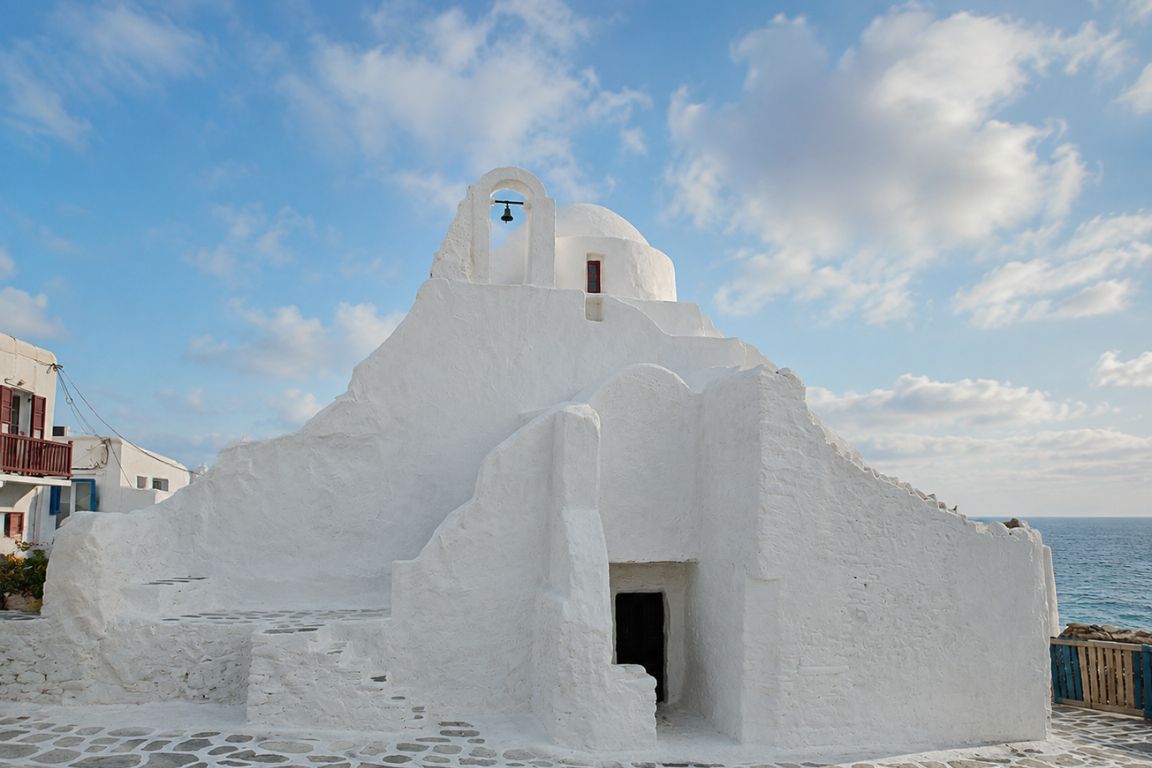 The most powerful fact about Mykonos on a budget: the experiences that define the island are either free or very low cost. The early morning walk through Chora costs nothing. The beaches are free without sunbeds. The windmills, Panagia Paraportiani, and Little Venice at sunset cost nothing. Ano Mera village and the Panagia Tourliani Monastery are free. The coastal path between Platis Gialos and Paraga costs only the bus fare to get there. The one genuinely significant cost in the experience category is Delos at €45, and it is the activity most worth paying for on the island.
The early morning walk through Chora is the experience most consistently cited as a trip highlight by the travelers who do it, costs nothing, and most visitors sleep through every opportunity to experience it. Before 9am, the Kastro quarter alleys belong to cats, fishermen, and whoever got up early. Panagia Paraportiani, the five-chapel complex that is one of the most photographed churches in Greece, is entirely empty at 7am. Walk from Little Venice to the windmills to the old port and back through the Kastro quarter. Two hours, zero euros, and a version of Mykonos that the beach clubs cannot replicate.
The beaches themselves are free. Every beach on Mykonos, including Paradise, Super Paradise, Ornos, and Platis Gialos, allows free access without paying for sunbeds. Sunbeds are optional infrastructure run by private operators. Laying a towel on the sand in front of a beach club’s sunbed area is entirely legal, standard practice, and something thousands of visitors do every day. The beach club experience requires paying for sunbeds and the minimum spend that accompanies them. The beach itself does not.
Wondering whether Paradise Beach or Super Paradise lives up to the hype and whether the minimum spend policies are worth it compared to quieter alternatives that still deliver a great day? This best beach clubs in Mykonos tours guide covers the honest comparison most Greece party guides avoid making.
One meaningful low-cost beach club experience is worth naming specifically: arriving at a premium beach club in the evening, without a sunbed reservation, and sitting at the terrace or indoor bar on a standard ordering basis. Scorpios from 5pm without a Sunset Beach reservation is still Scorpios: the atmosphere, the music, the Sunset Ritual visible from the terrace. You pay for what you order. A cocktail at €22 and a couple of hours of one of the most atmospheric beach club evenings in Europe is a very different cost from a full-day Scorpios cabana at €240. This is the budget hack that most travel articles about Mykonos never mention.
Specific free and low-cost activities in order of value:
The Chora early morning walk: free. Windmills and Little Venice at sunset: free. Panagia Paraportiani: free. The coastal path from Platis Gialos to Paraga and on to Paradise Beach: free plus bus fare to Platis Gialos (€2-3). Ano Mera village and Panagia Tourliani Monastery: free plus bus fare (€2-3 return). The Archaeological Museum of Mykonos near the old port: €4 entry. The Aegean Maritime Museum in Chora: €4. The Folkloric Museum near the old port: €4. Sunset from anywhere on the waterfront: free. Swimming at any beach: free.
Delos at €45 (ferry plus entry) is not free but is the activity most worth paying for on the island. The self-guided version without a guide costs €45. Going independently with the public ferry rather than an organised sailing tour to Delos and Rhenia is the budget option, though hiring a local guide for €15-20 on top transforms a walk through ruins into a comprehensible ancient city.
Want to make sure you experience the best of Mykonos beyond the standard tourist checklist? Here’s our what to do in Mykonos tours guide so you don’t waste a single day on the island.
How Do Budget Travelers Get Around Mykonos?
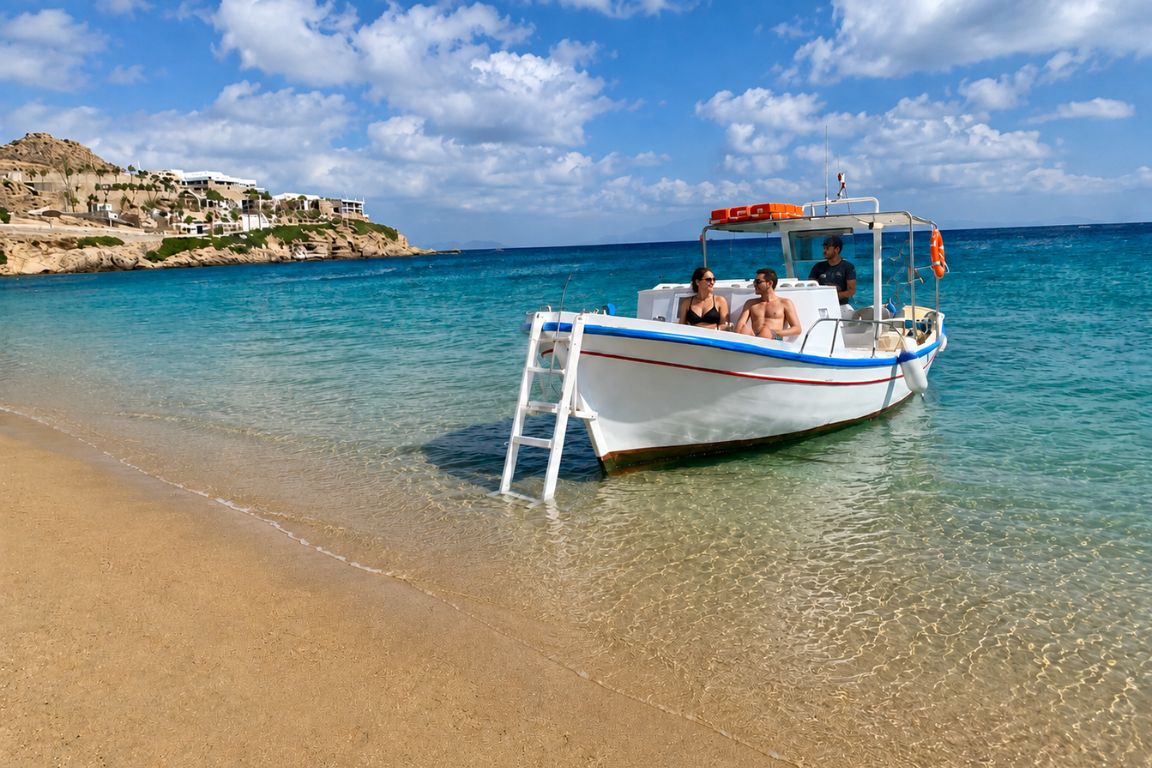 The Fabrika bus system from Mykonos Town is the backbone of budget transport, covering the south coast beaches for €2-3 per ride with regular frequency in peak season. The water taxi from Ornos covers seven south coast beaches on a €20 all-day cash pass, the most efficient and enjoyable budget way to beach-hop. The Sea Bus between the new port and Chora costs €2-3 and is essential for anyone arriving by ferry. Avoid taxis as a primary transport mode on a budget: minimum fares run €30-40 and waits are long in peak season. A one-day car rental at €40-50 is worthwhile for a north coast day trip but not for daily use.
The Fabrika bus station in Chora is the hub. From here, buses run to Ornos, Platis Gialos, Paraga, Paradise Beach, Super Paradise (seasonal shuttle), Elia, Kalafatis, Panormos, Ano Mera, and several other destinations. Fares run €2-3 depending on distance. In July and August the buses run frequently and fill quickly; arrive at the stop a few minutes before the scheduled departure rather than assuming the bus will wait. The timetable is posted at Fabrika and on the KTEL Mykonos website. This system covers the majority of tourist destinations on the island without requiring taxis or car rental.
The water taxi from Ornos is the budget traveler’s answer to beach-hopping on the south coast. The €20 all-day cash pass covers Ornos, Platis Gialos, Paraga, Paradise, Super Paradise, Agrari, and Elia with unlimited hops throughout the day. First boat at 10am from Ornos. Last boats from Elia at 5:45pm and Super Paradise at 6pm. For any day that involves visiting multiple south coast beaches, the water taxi pass costs less than two taxi rides and is significantly more enjoyable than either the bus or a taxi.
The Sea Bus between the new port (Tourlos, where ferries dock) and the old port or Chora bus station costs €2-3 and runs every 30 minutes in summer. This is the most important transport piece for budget arrivals: the taxi from the new port to Chora costs €30-40; the Sea Bus covers the same journey for €2-3 in 8 minutes. Save the taxi money for something else.
Car rental for a specific north coast day costs €40-50 for a basic car from a local operator, or take a private jeep tour to hidden gems and secret beaches if you prefer not to drive. This unlocks Agios Sostis, Fokos, Panormos, and the Armenistis Lighthouse that the bus cannot reach efficiently. For one day of exploring the island’s quiet side, it is good value. For daily use in the Chora and south coast circuit, it is unnecessary and the parking situation in peak season is genuinely frustrating.
Not all Mykonos beaches are created equal and the difference between a perfect beach day and an overpriced disappointment comes down to which one you choose – our best beaches in Mykonos tours guide breaks down exactly what each major beach delivers.
What Does a Realistic Budget Mykonos Trip Actually Cost?
 A realistic budget trip to Mykonos in late May or early October, staying in a hostel dorm or basic guesthouse, eating at Sakis Grill House and Ano Mera tavernas, using buses and the water taxi, and doing the beaches, Chora, and Delos without premium beach clubs, costs €65-85 per person per day including accommodation. The same trip in July or August costs €100-140 per person per day at the budget end. The mid-range trip runs €200-300 per day and the premium version runs €400-800+ per day. The gap is real and navigable.
| Accommodation pp | €15-30 (hostel dorm) | €35-60 (hostel dorm) | €100-200 (3-star hotel) | €250-500+ (boutique) |
| Breakfast | €2-4 (bakery/supermarket) | €3-5 (bakery/supermarket) | €10-18 (cafe) | €20-35 (hotel) |
| Lunch | €4-8 (gyros/souvlaki) | €5-10 (gyros/souvlaki) | €20-35 (taverna) | €40-80 (restaurant) |
| Dinner | €10-15 (Ano Mera taverna) | €12-18 (backstreet taverna) | €30-60 (restaurant) | €80-150+ (fine dining) |
| Transport | €3-6 (bus/water taxi) | €5-8 (bus/water taxi) | €15-30 (mix) | €40-80 (taxis) |
| Beach / activities | €0-20 (free beach or basic sunbed) | €0-30 (free or basic) | €50-100 (sunbed + drinks) | €150-400+ (beach club) |
| Drinks / evening | €5-12 (beer, wine by glass) | €8-15 (bar drinks) | €30-60 (cocktails) | €60-200+ (bottles) |
| Daily Total pp | €39-95 | €68-146 | €255-503 | €640-1,445+ |
The numbers in the budget column are achievable in practice but require consistent choices. A single taxi in peak season (€30-40 minimum) eliminates the transport savings for the entire day. A single beach club sunbed at a premium venue converts a budget day into a mid-range one. The budget version of Mykonos works when the framework is maintained throughout the trip, not as a default that gets abandoned whenever something more appealing appears.
The selective upgrade model works well for some travelers: spend four days at budget level and allocate one dedicated upgrade day with a real budget: one proper beach club afternoon (Tropicana at Paradise Beach for €30-60 sunbed plus drinks rather than Scorpios), one proper dinner at a backstreet restaurant in Chora rather than Ano Mera. This approach lets budget travelers experience the Mykonos they read about without running the full premium cost structure every day.
| Visiting in late May | Accommodation 50% cheaper; beaches calm; everything open | Sea slightly cooler than expected for some travelers |
| Staying at Paradise Beach hostel | Cheapest legitimate bed; beach directly outside | Noise from adjacent clubs until 4am in peak season |
| Eating at Sakis Grill House daily | Consistently excellent; genuinely the best value on the island | No complaints recorded |
| Using Fabrika bus exclusively | Covered all south coast beaches; significant saving vs taxis | Crowded in peak season; occasional missed last bus |
| One upgrade beach club day | Gave the full beach club experience without daily premium cost | Drinks spending exceeded planned amount at the club |
| Ano Mera village for dinners | 30-40% cheaper; more authentic; excellent quality | Bus back to Chora ended earlier than some wanted |
| Free beach without sunbeds | Works perfectly; sand and sea identical to paid version | No shade; bring your own umbrella if needed |
Frequently Asked Questions
Is Mykonos affordable?
Mykonos is one of the most expensive Greek islands and significantly more expensive than the Greek mainland. That said, there is a genuine range: a budget trip in shoulder season costs €65-85 per person per day including accommodation. A mid-range peak season trip costs €200-300 per day. The biggest lever is timing: the same hotel room that costs €300 per night in August costs €100-120 in late May or early October.
What is the cheapest month to visit Mykonos?
Late May and early October offer the best combination of low prices and a functional beach experience. Accommodation in late May runs 40-60% below August peak. Beach clubs are open, weather is warm, and the sea is swimmable. November through March is technically cheaper but most beach infrastructure is closed, making it impractical for a beach holiday.
Where can you eat cheaply in Mykonos?
Sakis Grill House in Chora for gyros from €4 and grill plates from €5-9. Gioras Wood Bakery for fresh pies and pastries from €2. The supermarket near the port and the one in Chora for breakfast supplies at mainland prices. Ano Mera village tavernas for full dinners at €10-18 per person, 30-40% below comparable Chora restaurants. Souvlaki Street in Chora for gyros at €6.
Are the beaches in Mykonos free?
Yes. Every beach on Mykonos is free to access. Sunbeds are operated by private companies and are optional. You can lay a towel on the sand at any beach, including in front of beach club sunbed areas, without paying anything. Sunbeds at basic organized beaches start around €20-35 for a pair with umbrella. Premium beach club sunbeds start at €50-100 and often involve minimum spending on food and drinks on top of the sunbed fee.
How much is the bus in Mykonos?
The public bus from Fabrika station in Mykonos Town costs €2-3 per ride depending on destination. This covers Ornos, Platis Gialos, Paradise Beach, Paraga, Elia, Kalafatis, Panormos, Ano Mera, and others. The water taxi all-day pass from Ornos costs €20 cash and covers seven south coast beaches with unlimited hops. The Sea Bus from the new port to Chora costs €2-3 and runs every 30 minutes in summer.
Can you visit Mykonos without going to a beach club?
Yes, completely. The beaches themselves are free. The Mykonos Town walk, windmills, Panagia Paraportiani, Ano Mera village, and the Delos day trip are all available without entering a premium beach club. The beach club experience is one layer of what Mykonos offers, and a significant one, but it is not the only layer and it is not required for a complete visit. One selective budget option: arriving at a beach club in the evening without a sunbed reservation and sitting at the terrace bar ordering drinks, which delivers the atmosphere at a fraction of the full-day cost.
Greek tour guide since 2012 · Founder, Mykonos Tours
Alexandros has guided over 13,500 travelers through Mykonos and the Cyclades since founding the agency.
Your next step · optional experience
Compare one optional paid experience
General recommendation — choose an option below to refine it.
Mykonos Town food walk
Check your date before arranging the rest of your day. Taste Greek coffee, pastries, spreads and souvlaki with a local guide.
2 hours • English • Meet at the Old Port Eurobank ATM. No included pickup; walking and steps. Confirm dietary needs before paying.
Choose a date to view the published departure schedule. Final availability and price are confirmed on Viator.
Compare options, fit your day or calculate the cost
Taste Greek coffee, pastries, spreads and souvlaki with a local guide. 2 hours • English • Meet at the Old Port Eurobank ATM. No included pickup; walking and steps. Confirm dietary needs before paying.
Pair the island drive with a guided walk through Mykonos Town. 3½ hours • English guide • Meet at New Port; hotel pickup excluded. Uneven walking and moderate fitness required.
Reserve a sunbed at Thalas for a relaxed day beside Super Paradise’s clear water. Day use • Arrive 10am–noon; reservations released after noon. Food, drinks and transport extra. Towels included only in first/second rows. Accompanied minors only.
We may earn a commission from bookings through these links. Your final price and booking conditions are shown by the provider.